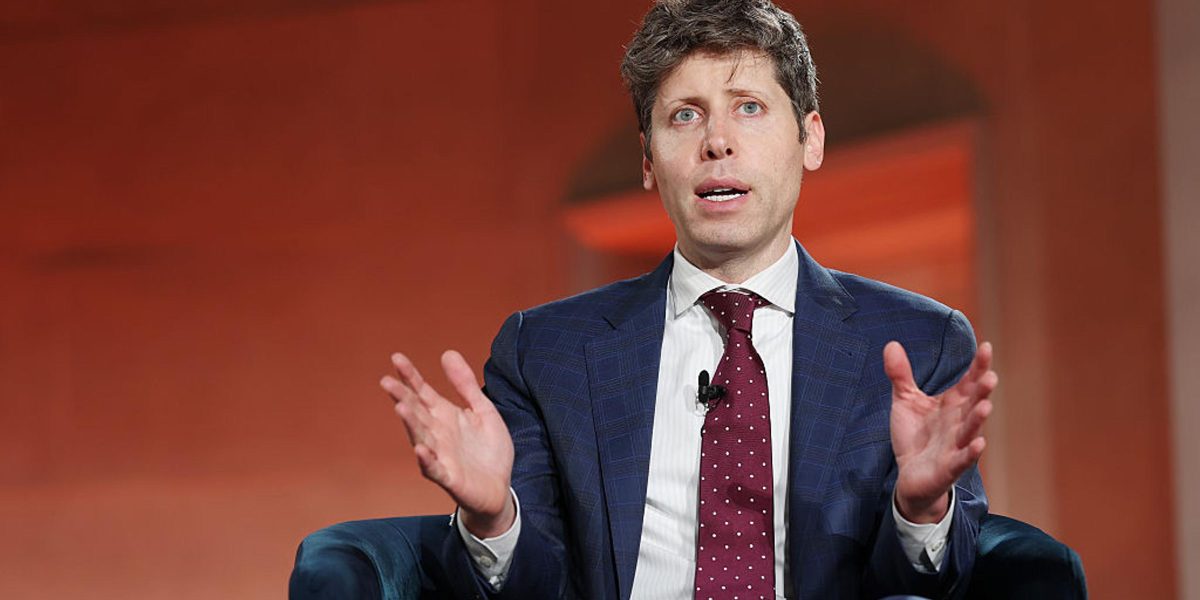
The OpenAI CEO Sam Altman, once a vocal advocate of a potential AI-driven “jobs apocalypse,” has seemingly done an about-face. In a recent statement, he expressed doubt that widespread job displacement will come to pass.
Reversing Course
Altman’s shift in stance comes as large tech companies continue to announce mass layoffs. Just last month, Meta cut thousands of jobs, citing a need to “become a more streamlined and efficient company.” Meanwhile, Google and Amazon have also announced significant layoffs. The juxtaposition raises questions about whether Altman’s reassessment is a genuine change of heart or a PR move to mitigate concerns about AI’s impact on employment.
Labor Market Uncertainty
Altman’s initial warnings about an AI-driven jobs apocalypse were based on concerns that automation would displace human workers, leading to widespread unemployment. However, some researchers have since argued that AI will not only displace certain jobs but also create new ones, as well as augment the capabilities of existing ones. This more optimistic view suggests that the impact of AI on employment will be more nuanced than a simple “apocalypse” scenario.
What this means
As AI continues to advance, workers may find themselves facing a mix of displacement, augmentation, and new opportunities. While some jobs may become obsolete, others will be created or enhanced by AI technologies. In this context, Altman’s reversal of stance highlights the need for workers to develop skills that complement AI, rather than simply trying to replace it. By acknowledging the complexities of AI’s impact on employment, policymakers and business leaders can begin to develop strategies that support workers in this rapidly changing landscape.