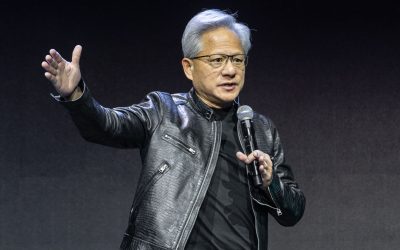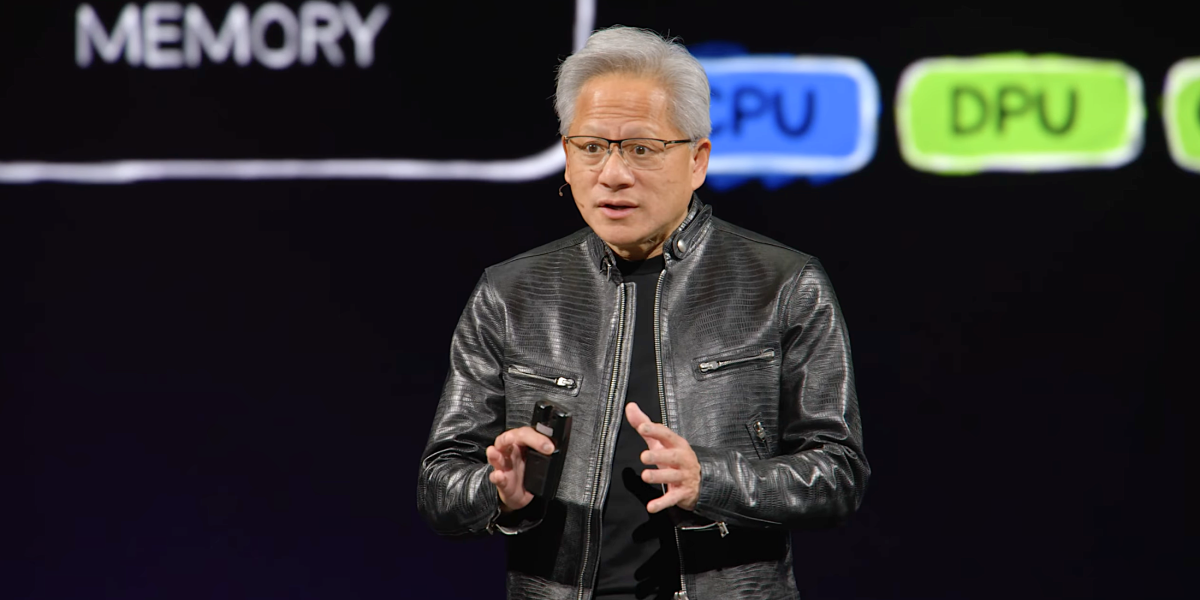
Nvidia CEO Jensen Huang claims AI is on the cusp of a revolution that will upend the global economy and tech labor market.
Jensen Huang, CEO of Nvidia, made a bold statement at GTC Taipei 2026: AI is finally reaching a level of usefulness where it could profoundly reshape the world. He believes this shift won’t be limited to the tech industry’s usual hotspots, but will have far-reaching impacts on the global economy and the very structure of the tech labor market.
Jensen Huang has been a driving force behind the development of Nvidia’s AI technologies, and his confidence in this new era of AI is built on years of research and innovation.
AI’s new phase: from hype to practicality
The AI industry has long been plagued by hype and overpromise. AI systems that promised the world but delivered little. But Nvidia’s approach focuses on making AI more accessible, efficient, and practical. Huang’s vision is for a future where AI is an integral part of the fabric of every industry, revolutionizing the way businesses operate.
Nvidia’s Omniverse platform, a key part of this vision, provides a suite of tools that enable developers to build immersive, interactive AI experiences. This platform has already seen widespread adoption in industries like manufacturing, healthcare, and finance.
What this means: AI won’t just create new jobs, it’ll change the nature of work itself
Huang believes that AI will not only create new job opportunities but also fundamentally change the nature of work. As AI takes over routine and repetitive tasks, humans will focus on higher-level creativity, problem-solving, and innovation. This shift will require a significant adjustment in education and training, but it also offers a chance for workers to upskill and reskill.
The data center revolution is just beginning
Nvidia has long been a leader in the data center market, and Huang sees AI as a major driver of growth in this space. The company’s AI-accelerated computing solutions are designed to handle the massive amounts of data and compute power required by modern AI systems. As AI adoption increases, so will the demand for data center infrastructure, driving innovation and investment in this space.
Huang’s words at GTC Taipei 2026 have left many in the industry buzzing with excitement. While we’re still at the early stages of this revolution, one thing is clear: AI is here to stay, and it’s going to change everything.