American Dream Goes Dark
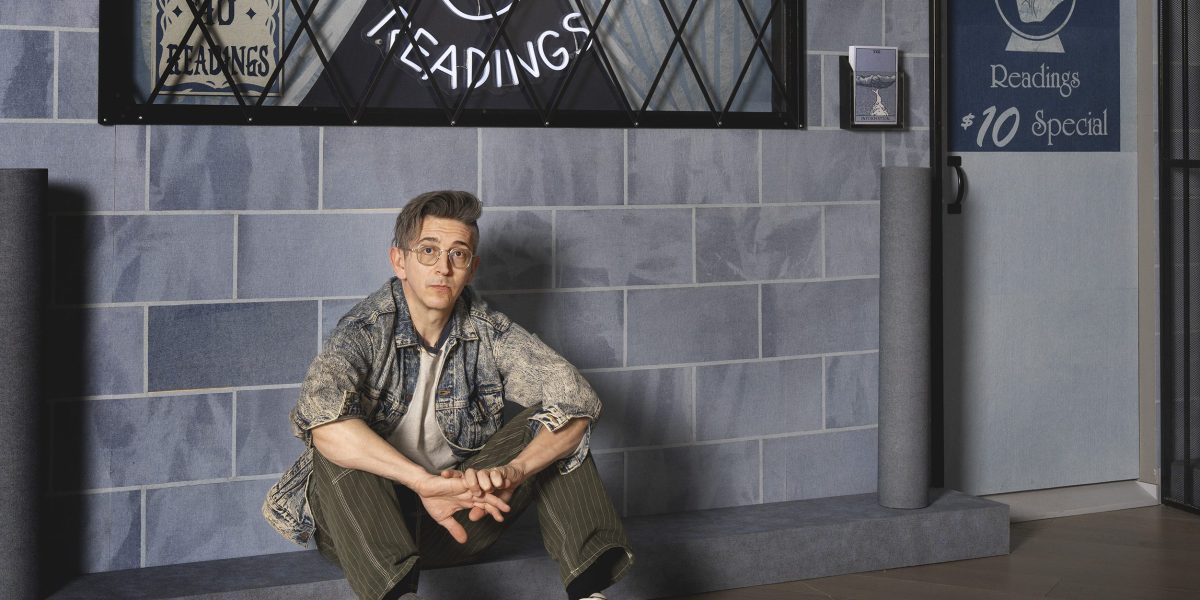
Nick Doyle’s latest exhibition, 2026, is a gut-wrenching portrayal of the American Dream as an illusion, with AI as its insidious savior. A sprawling, cinematic landscape of desolation, the show is a commentary on our collective disillusionment with the ideals that once defined our nation.
The exhibition’s central theme is the erosion of the American Dream, with AI as its agent of transformation. Doyle’s use of A.I. in his work is more than just a novelty – it’s a reflection of how this technology can shape our perceptions and distort reality. By embracing AI, Doyle is highlighting the tension between the artificial and the authentic, forcing us to confront the possibility that our reality is not what we think it is.
Illusion and Reality
Doyle’s use of A.I. in 2026 is a clever subversion of our expectations. On one hand, A.I. can create stunning, photorealistic images that are almost indistinguishable from reality. On the other hand, these images can also be manipulated, distorted, and fabricated to create a new reality that’s far removed from truth. This is a commentary on the ways in which A.I. can be used to deceive and manipulate us, often in subtle but insidious ways.
The show is not just a critique of A.I. – it’s also a reflection of our own complicity in creating and perpetuating these illusions. We see this in the way we eagerly engage with social media platforms that curate our experiences and shape our perceptions of the world. We see it in the way we’re increasingly reliant on algorithms to make decisions for us, from what we watch to what we buy. Doyle’s exhibition is a wake-up call, reminding us that the American Dream is not just an ideal, but a fragile construct that can be easily dismantled by the seductive logic of A.I.
What this means
In short, Doyle’s exhibition is a warning about the dangers of A.I. – not just in its potential to deceive and manipulate us, but also in its power to shape our perceptions and distort our reality. As we continue to develop and integrate this technology into our lives, we need to be aware of its limitations and its potential for abuse. By engaging with Doyle’s work, we’re forced to confront the possibility that our reality is not what we think it is – and that’s a reality check we could all benefit from.