China’s Auto Industry Sets Sights on Robotaxis and AI
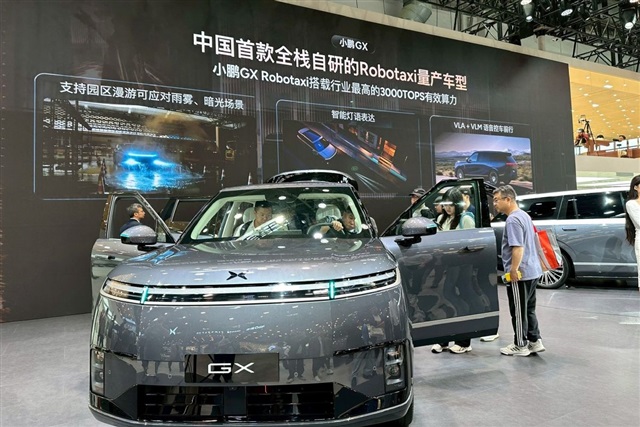
China’s auto industry is shifting focus from electric vehicles to a more ambitious goal: intelligent mobility powered by artificial intelligence and autonomous driving. This emerging trend was on full display at the 2026 Beijing Auto Show.
Automakers and tech giants showcased a slew of robotaxis, vehicles designed to transport passengers without human intervention. These vehicles, often equipped with advanced AI algorithms and sensor arrays, promise to revolutionize the way people move around cities.
Beijing Auto Show Highlights
One of the stars of the show was Baidu’s AXRO, a self-driving car that has already clocked over 12 million miles of autonomous driving experience in China’s challenging traffic conditions. The AXRO represents a major milestone in the development of intelligent mobility, with Baidu’s AI software able to adapt to changing traffic patterns and navigate complex urban environments.
Another notable exhibit was Geely’s Zeekr 007, an electric vehicle designed specifically for autonomous driving. This sleek, futuristic car is equipped with Level 4 autonomous capabilities, allowing it to operate without human intervention in most situations.
What this means
China’s emphasis on intelligent mobility signals a shift away from the electric vehicle hype of recent years. As the country’s auto industry continues to evolve, we can expect to see more focus on the tech behind the vehicles themselves – AI, autonomous driving, and the data that powers them. For consumers, this means more efficient, convenient transportation options – and potentially, a future where human drivers are no longer necessary.
The implications of this trend are far-reaching, from transforming urban mobility to creating new opportunities for industries like logistics and public transportation. As China’s auto industry continues to push the boundaries of intelligent mobility, the world will be watching to see what’s next.