SAG-AFTRA’s latest move puts AI-generated actors under the microscope
SAG-AFTRA, the US actors’ union, has introduced a new condition for producers to hire AI-generated actors, requiring them to demonstrate that these digital performers bring “significant digital value” to a project. This move sends a clear message: artificial talent will not replace human actors without a fight.
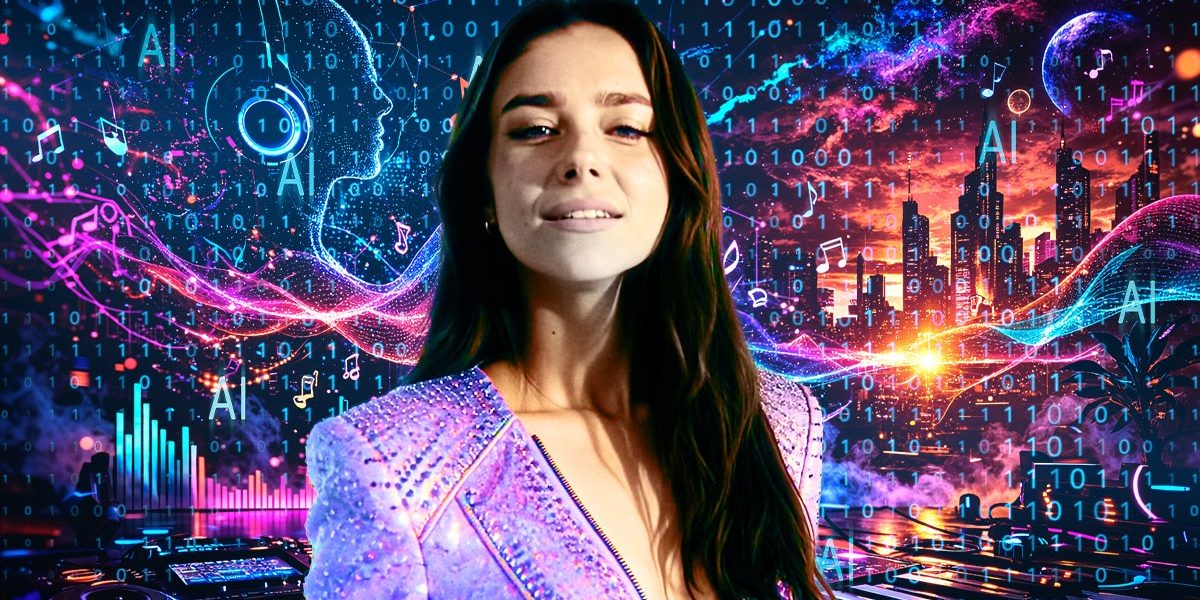
The union’s push for AI protections is a response to the increasing use of AI-generated actors in the industry. One notable example is Tilly Norwood, an AI-powered virtual actress who has already appeared in several commercials and short films.
A new standard for AI-generated actors
According to the new agreement, producers who want to hire AI-generated actors, like Tilly Norwood, will need to prove that these digital performers add something unique and valuable to their project. This could be anything from enhanced storytelling capabilities to advanced visual effects.
What this means for real and synthetic actors
The introduction of AI-generated actors raises questions about the future of the entertainment industry. While some may see this as a threat to traditional actors, SAG-AFTRA’s new protections suggest that the union is committed to protecting the rights of its human members.
This means that AI-generated actors will not be able to simply replace human performers without significant justification. Producers will need to demonstrate that their digital talent brings something new and innovative to the table, rather than simply serving as a cheap alternative to human actors.
Ultimately, this move is a victory for the union and its human members. It sends a message that AI-generated actors will not be able to simply disrupt the industry without being held to the same standards as their human counterparts.
The future of AI in Hollywood
The use of AI-generated actors is likely to continue growing in the entertainment industry. However, with SAG-AFTRA’s new protections in place, producers will need to think carefully about how they can use AI to enhance their projects, rather than simply replacing human talent.
This could lead to a more innovative and creative approach to storytelling, as producers seek to exploit the unique capabilities of AI-generated actors. However, it also raises important questions about the future of the industry and the role of human actors.