European Stocks Hang in the Balance
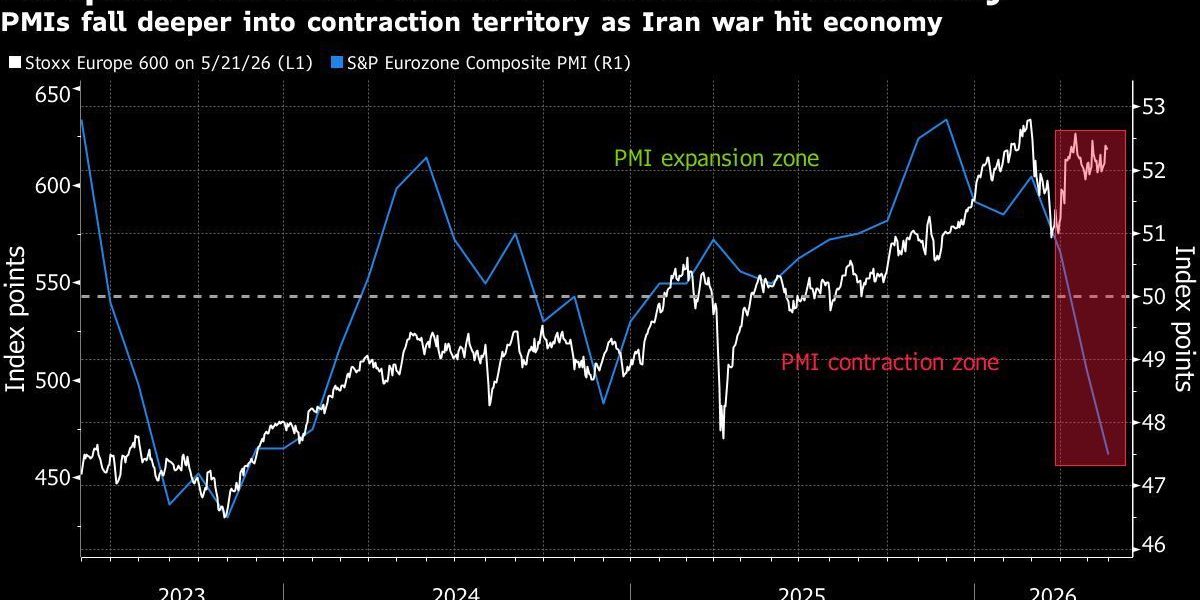
As tensions escalate, strategist warnings of a war-driven downturn in European stocks are gaining traction. A recent survey by Bloomberg reveals that unless the Strait of Hormuz reopens soon, the case for European stocks will degrade materially.
For those unfamiliar, the Strait of Hormuz is a critical waterway connecting the Middle East to the rest of the world, with approximately 20% of global oil shipments passing through. Recent conflicts in the region have raised concerns about its ongoing closure, which could have far-reaching economic implications.
The Strait’s Economic Significance
1.3 million barrels per day, that’s how much oil is estimated to flow through the Strait of Hormuz. This is no trivial matter, considering that oil is a fundamental component of European economies. A prolonged closure of the Strait would severely impact global oil supplies, leading to higher prices and a ripple effect throughout the market.
As oil prices rise, so too do the costs of production, transportation, and ultimately, consumer goods. This would disproportionately affect European countries, which are heavily reliant on imported oil. In such a scenario, European stocks could face significant headwinds, making the strategist warnings all the more urgent.
Why This Matters
What this means is that investors need to be prepared for a potential downturn in European stocks, should the Strait of Hormuz remain closed. This would be a major turning point for the market, with potential knock-on effects on global economies. As tensions in the Middle East continue to escalate, investors would do well to keep a close eye on developments in the Strait of Hormuz.
The stakes are high, and the clock is ticking. With the global economy already navigating uncertain waters, a prolonged closure of the Strait of Hormuz would be a significant blow to European stocks and the broader market. As the situation unfolds, one thing is clear: investors need to be vigilant and adapt to changing circumstances in order to mitigate potential losses.