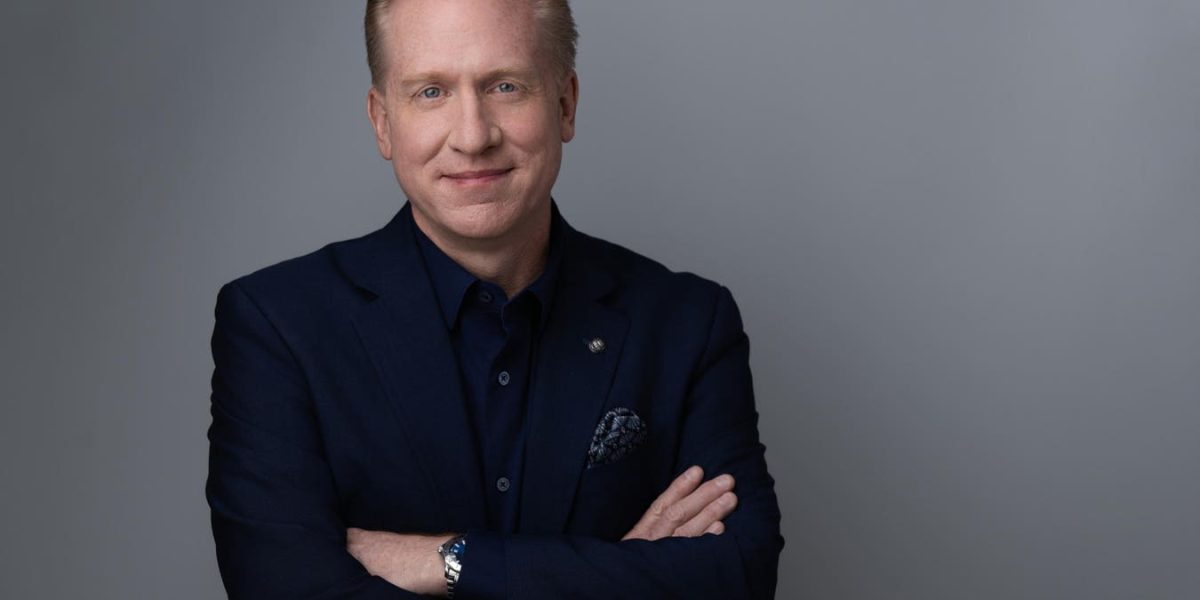
SoundExchange’s CEO Michael Huppe recently weighed in on the pros and cons of AI, offering a nuanced perspective from the recording industry.
The Double-Edged Sword of AI
As AI’s influence continues to grow, concerns about its impact on jobs and creative processes are on the rise. Huppe, who has spent his career advocating for the rights of musicians and record labels, is no stranger to these debates. “The music industry has a long history of using technology to create, distribute, and monetize music,” he says. “However, with the increasing role of AI, we’re starting to see a shift in the way music is created, performed, and consumed.”
Huppe notes that while AI has the potential to democratize music creation, allowing new voices and styles to emerge, it also raises questions about authorship and ownership. “If an AI system generates a piece of music, who owns the rights to it?” he asks. “Is it the person who programmed the system, or the system itself?” These are complex questions with no easy answers, and Huppe recognizes that the industry is still grappling with the implications of AI on creative industries.
The Business of Music in the Age of AI
For Huppe, the business side of the equation is just as important as the creative. As AI-generated music becomes more prevalent, will it continue to be subject to the same copyright laws and royalty structures as human-created music? Huppe believes that this is a critical issue that needs to be addressed: “The music industry relies heavily on royalties to compensate creators for their work. If AI-generated music becomes the norm, how will royalties be allocated and paid out?” he asks.
Huppe’s concerns about the role of AI in the music industry are not unfounded. According to a recent report, AI-generated music could potentially disrupt the entire ecosystem, from songwriting and performance to recording and distribution. As the music industry continues to evolve, Huppe’s call to action is clear: “We need to have a thoughtful and inclusive conversation about the role of AI in our industry, and how we can ensure that its benefits are shared by all – not just the few.”
What This Means
For music creators and industry professionals, Huppe’s comments serve as a reminder that AI is a double-edged sword. While it has the potential to bring new opportunities and innovations, it also raises complex questions about ownership, authorship, and the future of work. As the industry continues to navigate this brave new world, one thing is clear: the conversation about AI is only just beginning.