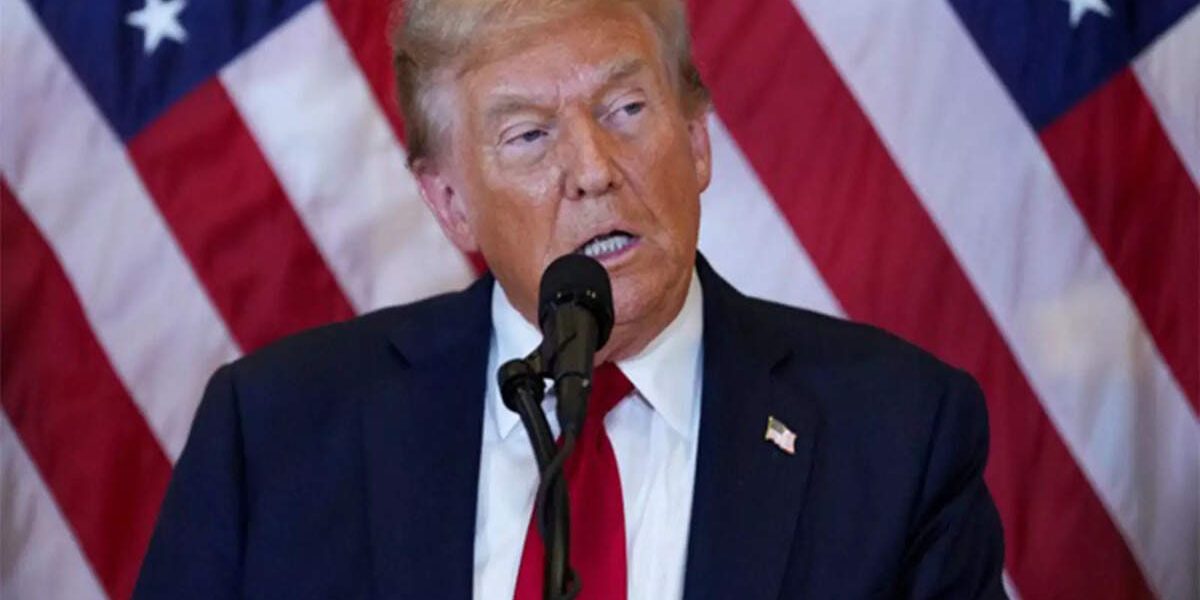
Ahead of a planned White House ceremony, President Donald Trump abruptly called off plans to sign a new executive order on artificial intelligence, citing concerns that it could slow America’s technological progress.
Executive Order Aims to Review AI Risks
The cancelled executive order aimed to review the national security risks associated with AI, a move that was initially seen as a crucial step in addressing concerns about the technology’s cybersecurity capabilities.
According to reports, the order would have required tech firms to collaborate on identifying and addressing potential vulnerabilities in AI systems, with the ultimate goal of strengthening the US’s technological edge.
Trump’s Concerns Centre on AI Progress
President Trump’s decision to halt the executive order comes amid growing concerns that over-regulation of AI could stunt its development and hinder the US’s ability to remain a global leader in the field.
Trump, known for his pro-business stance, is likely concerned that imposing strict regulations on AI could scare off investors and hamper the growth of America’s burgeoning tech industry.
As the White House continues to weigh its options on AI regulation, it’s clear that policymakers are facing a delicate balancing act – one that requires careful consideration of both the risks and benefits of this rapidly advancing technology.
Avoiding a Regulatory Backlash
By calling off the executive order, Trump may be trying to avoid a regulatory backlash that could have had long-term consequences for the US tech industry.
However, critics argue that a lack of clear regulations on AI could ultimately leave the US vulnerable to security risks and undermine its global competitiveness in this rapidly evolving field.
What this means for everyday Americans is that the development and deployment of AI will continue to be driven by market forces, with tech firms and startups pushing the boundaries of what’s possible without the added layer of regulatory oversight.
As the debate over AI regulation rages on, one thing is clear: the US needs to find a balance between promoting innovation and ensuring the safety and security of its citizens in the age of artificial intelligence.