Japan’s Quest for Perfection Translates to Smart Home Tech in Panasonic F-D237D
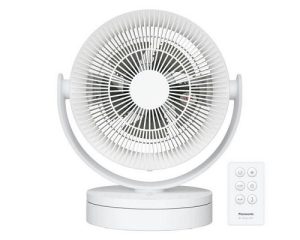
Panasonic has just unveiled the F-D237D Circulator, a cutting-edge home air circulation system that embodies the country’s obsessive pursuit of perfection.
What Makes it Special?
The F-D237D Circulator is designed with the ‘Kodawari’ spirit – an unwavering dedication to detail and refinement that’s quintessentially Japanese. This approach translates to a device that’s not just efficient but also remarkably quiet, with an operating noise level of 21 decibels. To put that in perspective, it’s almost as silent as a library.
The Science Behind the F-D237D
At the heart of the F-D237D Circulator is advanced AI-powered technology that continuously monitors and adapts to the home’s temperature and humidity levels. This adaptive learning helps the device optimize air circulation, ensuring a comfortable and energy-efficient environment. Its AI is also capable of forecasting temperature changes, allowing it to pre-emptively adjust the air circulation to maintain ideal conditions.
What this Means for Homeowners
The Panasonic F-D237D Circulator is more than just a smart home device – it’s a reflection of the Japanese commitment to perfection. For homeowners, it means enjoying a more comfortable living space with minimal noise pollution and reduced energy consumption. The device’s ability to learn and adapt also ensures that it will continue to provide optimal results over time. This innovative air circulation system is set to become an essential component of modern Japanese homes – and potentially, homes around the world.
Potential Global Impact
Panasonic’s emphasis on quality and innovation with the F-D237D Circulator is not limited to Japan. The company’s global ambitions suggest that this technology could soon find its way into homes worldwide, bringing with it the benefits of quiet, efficient, and adaptive air circulation. As the world becomes increasingly interconnected, it will be interesting to see how this Japanese innovation translates to different cultural and environmental contexts.