NASA’s Ocean Patrol: AI Tool Tracks Poisonous Algae in Real-Time
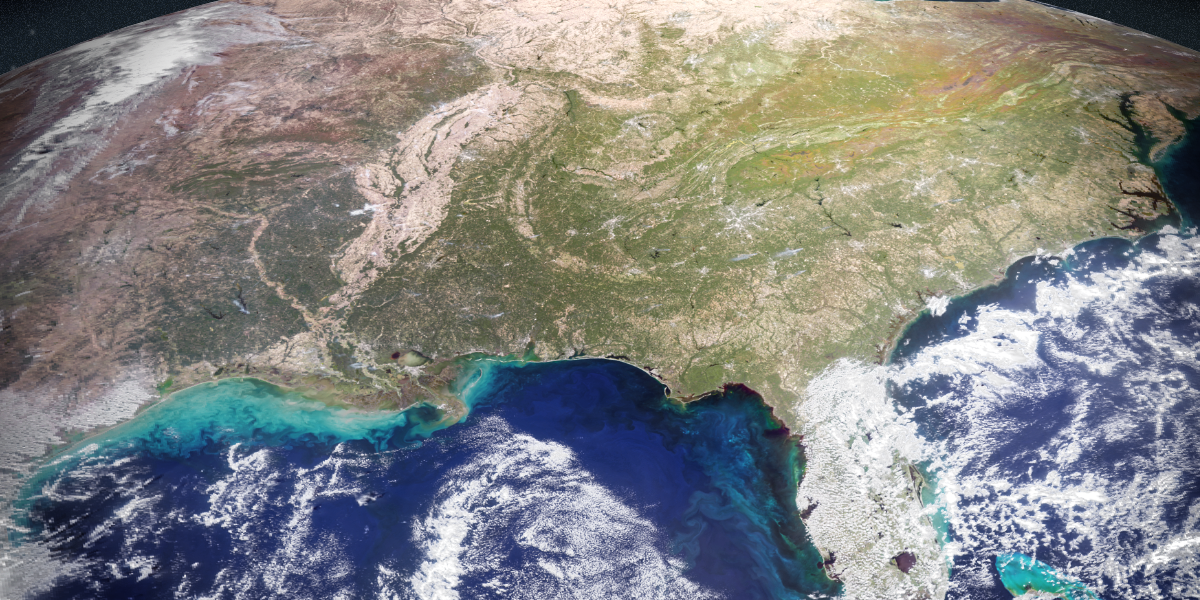
NASA scientists have developed a cutting-edge AI tool to combat the scourge of harmful algae in our oceans. The AI system combines data from multiple satellites to pinpoint the exact locations of toxic algae blooms.
While algae can be beneficial in moderation, excessive growths have devastating effects on marine ecosystems and human health. These ‘blooms’ can release toxins that contaminate seafood, harm aquatic life, and even poison humans who come into contact with affected water.
The AI System: A Multi-Satellite Approach
NASA’s AI tool, developed in collaboration with researchers from the University of Colorado Boulder, uses data from multiple satellites to create a comprehensive picture of ocean conditions. This multi-satellite approach allows the AI to identify subtle changes in ocean color, temperature, and other parameters that might indicate a harmful algae bloom.
Researchers tested the AI system using data from NASA’s Aqua, Terra, and Suomi NPP satellites, as well as the European Space Agency’s Sentinel-3 satellite.
Dr. Amy Kavanagh, a researcher at the University of Colorado Boulder and co-author of the study, explained that traditional methods for detecting algae blooms are often limited by their reliance on single satellite data or manual sampling.
Dr. Kavanagh emphasized that the AI system’s ability to fuse data from multiple satellites provides a more accurate and timely detection of harmful algae blooms.
What this means
The AI tool has the potential to revolutionize the way we monitor and respond to harmful algae blooms. By providing real-time data on bloom locations and severity, the system will enable scientists, policymakers, and resource managers to take swift action to mitigate the impacts of these events.
This technology can also inform strategies for improving water quality, protecting aquatic ecosystems, and promoting sustainable fishing practices.
While the AI system is still in its early stages, its potential applications extend far beyond the ocean. By demonstrating the power of multi-satellite data fusion, the researchers hope to inspire new approaches to monitoring and managing our planet’s most pressing environmental challenges.