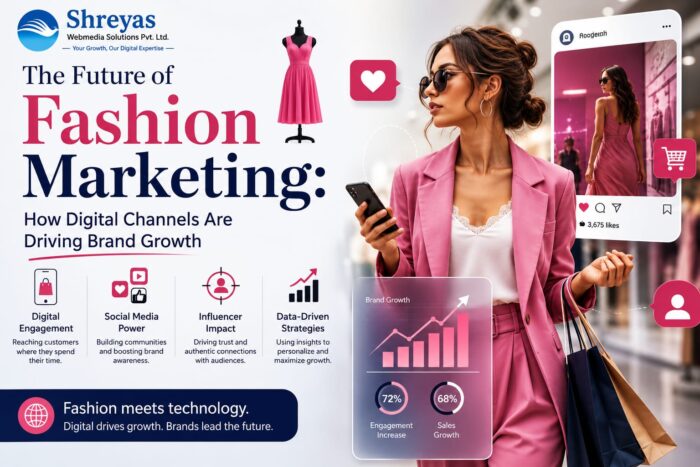
Fashion brands are doubling down on digital marketing in response to the pandemic-era shift to e-commerce.
The fashion industry has always been about quick turnaround times and fast responses to trends. However, since the pandemic, consumers have turned increasingly to the internet for shopping and social interactions. Against this backdrop, digital marketing has emerged as a crucial strategy for fashion brands to stay afloat, gain visibility, and build lasting connections with customers.
Personalized Experiences
Personalized marketing has become key for fashion brands looking to stand out in a crowded online space. Techniques like AI-driven product recommendations and targeted social media ads have helped brands like Zara and H&M increase online engagement and drive sales.
For example, a customer browsing Zara’s website might see a “similar products” section featuring clothes that match their style and preferences. This approach not only boosts sales but also makes customers feel like their interests are being understood and catered to.
Data-Driven Decision Making
Fashion brands are now relying heavily on data analysis to inform their marketing strategies. By collecting and interpreting customer data, brands can identify trends, understand preferences, and adjust their marketing efforts accordingly.
For instance, data analytics tools can help brands track which social media platforms their target audience is most active on and allocate their marketing budget accordingly. This data-driven approach enables fashion brands to be more efficient and targeted in their marketing efforts.
The Rise of Influencer Marketing
Influencer marketing has become a vital component of fashion brands’ digital marketing strategies. Partnering with social media influencers who have a strong following among the target audience can help brands tap into new markets and build credibility.
A study by AspireIQ found that 70% of marketers believe that influencer marketing has a high level of ROI. Brands like Gucci and Chanel have successfully leveraged influencer marketing to promote their products and reach a wider audience.
What this means
The shift to digital marketing has forced fashion brands to rethink their marketing strategies and adapt to the changing consumer landscape. By leveraging AI-driven personalized experiences, data analysis, and influencer marketing, fashion brands can not only stay competitive but also build strong relationships with their customers and drive long-term growth.