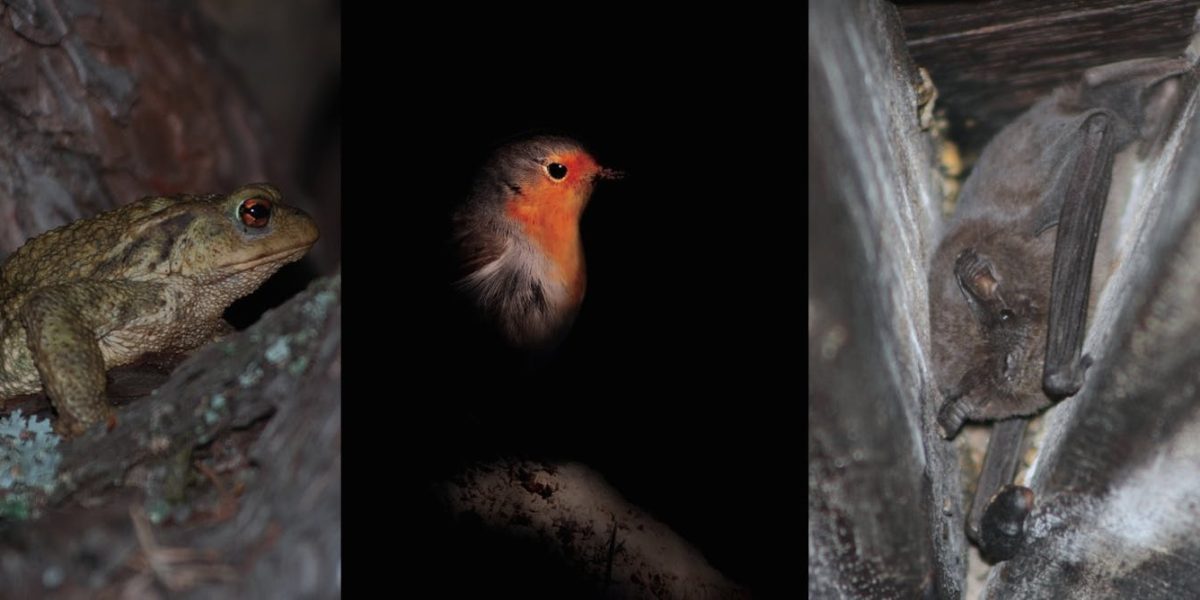
Researchers have long believed that street lighting is a major obstacle to wildlife conservation, disrupting nocturnal species’ natural behaviors and habitat use. However, the relationship between street lighting and wildlife is more complex than previously thought.
Street Lighting’s Impact on Wildlife
Local authorities have started adopting part-night lighting strategies, which involve turning off streetlights in the middle of the night. A recent study on robins found that their song patterns and breeding behaviors are disrupted when streetlights are left on throughout the night. However, turning off the lights during peak robin breeding hours made no significant difference. This suggests that the timing of street lighting is crucial in preserving local wildlife.
A separate study on toads revealed that they’re more susceptible to predators under artificial lighting. In areas where streetlights were turned off during peak toad activity hours, toad populations remained stable, whereas areas with constant lighting experienced a significant decline. This study highlights the importance of understanding the specific needs of different species.
A third study on bats discovered that they’re able to adapt to changing light conditions, even when streetlights are turned off. In fact, some bat species have been found to thrive in areas with part-night lighting strategies. This challenges the long-held assumption that artificial lighting is a major obstacle to bat conservation.
Timing is Everything
The results of these studies suggest that local authorities should consider the specific needs of their local wildlife when implementing part-night lighting strategies. Understanding when and where to turn off the lights can make a significant difference in preserving biodiversity.
Dr. Emma Taylor, lead researcher on the toad study, stresses the importance of considering the ecological context in street lighting decisions. “It’s not just about switching off street lighting, it’s about knowing when and where to turn the lights off, and which species are likely to benefit from these changes,” she explains.
What this means
The research underscores the need for a more nuanced approach to street lighting. By considering the specific needs of local wildlife, local authorities can create more effective conservation strategies. This means that, rather than simply turning off streetlights across the board, they should focus on implementing tailored solutions that address the unique needs of their local species.