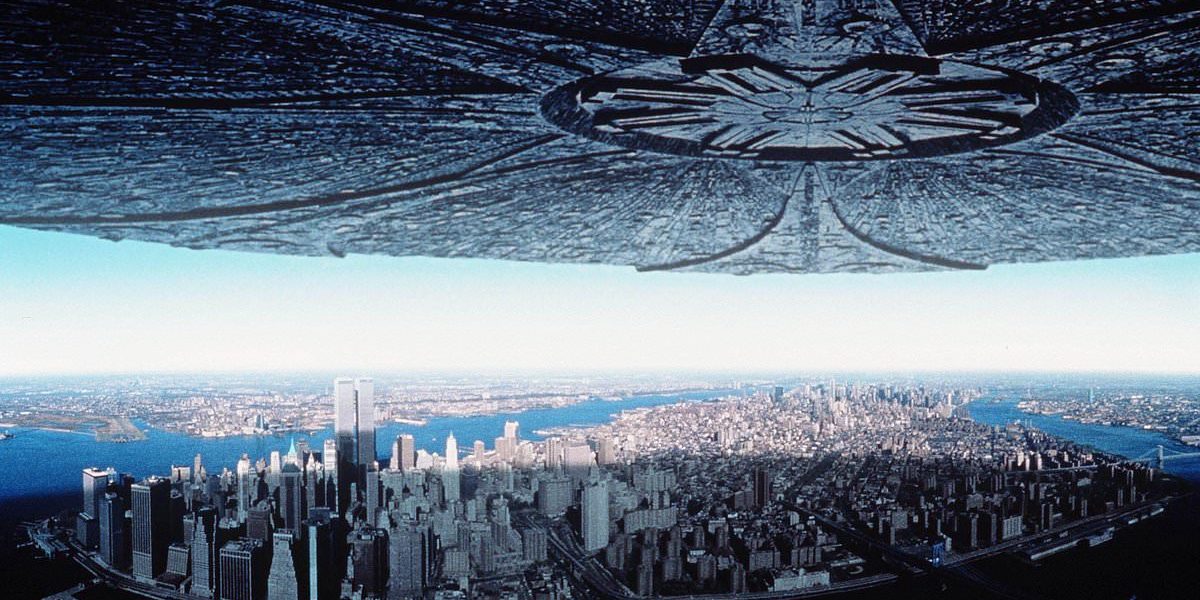
A scientist has simulated an alien invasion of Earth, unleashing a catastrophic chain reaction that would leave the planet in shambles.
Professor Avi Loeb, an astrophysicist at Harvard University, has run a thought experiment that puts our worst fears to the test. The hypothetical scenario involves an extraterrestrial civilization that’s both technologically advanced and hostile.
The Immediate Aftermath
When the aliens arrive, they would likely use their superior technology to cripple our global infrastructure. Power grids, communication networks, and transportation systems would be knocked offline, plunging cities into chaos. The initial death toll would be staggering, with estimates ranging from hundreds of thousands to millions of lives lost.
Economic Collapse
The economic impact would be devastating. Trade would grind to a halt, and the global economy would likely collapse. The cost of rebuilding would be astronomical, with some estimates suggesting it could reach into the trillions of dollars. This would lead to widespread poverty, hunger, and social unrest.
Spiritual and Social Breakdown
The alien invasion would also have a profound impact on our collective psyche. The loss of life, the destruction of our cities, and the collapse of our societal structures would leave many people feeling hopeless and defeated. This could lead to a breakdown in social cohesion, with communities fragmenting into smaller, more isolated groups.
Professor Loeb’s report highlights the need for us to be prepared for this scenario, if only to mitigate the worst consequences. “We need to have a plan in place to respond to an alien invasion, or at least to consider the possibility,” he said.
What this means
While the likelihood of an alien invasion is low, the exercise is a valuable reminder of our vulnerability in the face of catastrophic events. It’s a call to action for policymakers, scientists, and the general public to work together to build a more resilient and prepared world.