US Government Aims to Harness Nuclear Power in Federal Waters
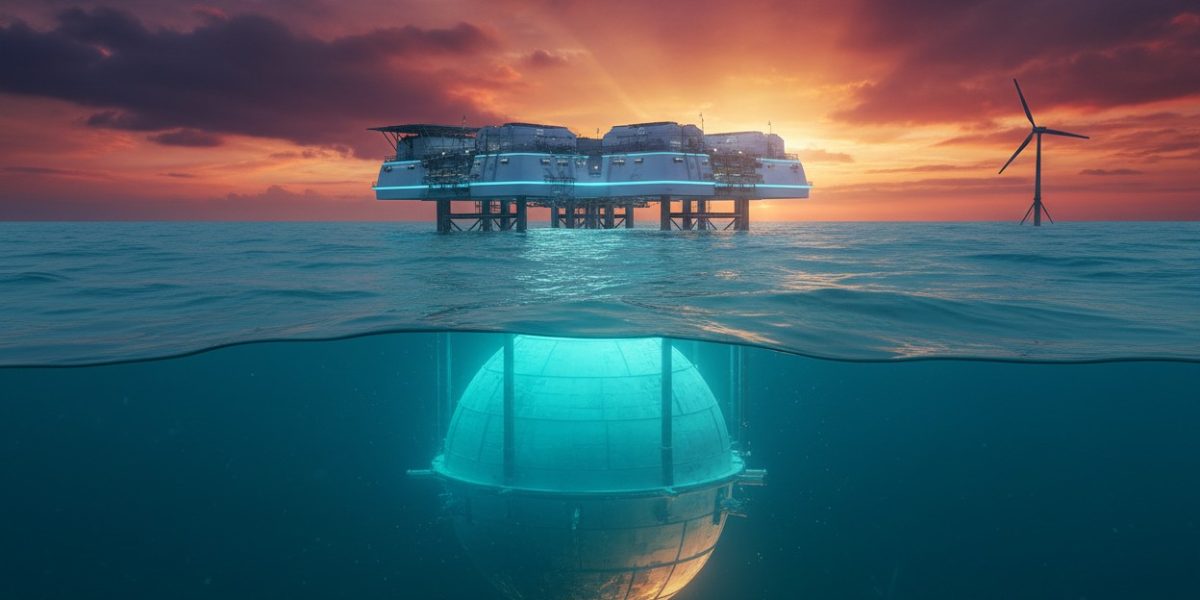
The Trump administration has announced plans to explore the feasibility of building nuclear energy projects in federal waters, a move that could potentially alleviate the country’s reliance on fossil fuels.
The Department of the Interior’s Marine Minerals Administration (MMA) has signed an agreement with General Electric Hitachi Nuclear Energy, the U.S. Nuclear Regulatory Commission, and the U.S. Naval Reactors program to evaluate the potential for offshore nuclear power.
Offshore Nuclear Projects: A High-Risk, High-Reward Venture
The proposal is not without its risks, however. Nuclear power plants require significant resources and are often plagued by concerns over safety and waste disposal. Additionally, the high cost of building and maintaining offshore facilities is a major hurdle, making the feasibility of such projects uncertain.
Implications for Renewable Energy and Climate Change
Despite these challenges, the US government sees nuclear power as a means to reduce greenhouse gas emissions and transition away from fossil fuels. The move is also likely to be a shot in the arm for the domestic nuclear industry, which has faced significant competition from cheap natural gas and renewable energy sources in recent years.
What this means: The potential for offshore nuclear projects could lead to the creation of new jobs and stimulate economic growth in regions where these facilities are built. However, the project’s success will ultimately depend on the government’s ability to manage the technical and financial risks associated with nuclear power.
As the world continues to grapple with the challenges of climate change, innovative approaches to energy production are increasingly necessary. The evaluation of offshore nuclear projects is a bold step towards reducing the country’s reliance on fossil fuels and mitigating the impact of global warming.