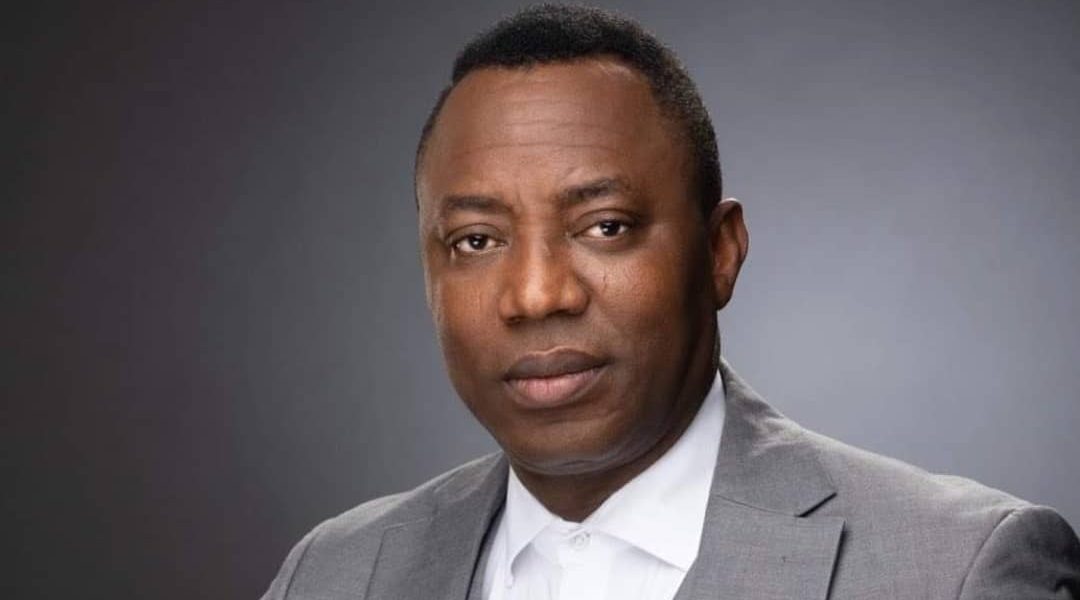
African Action Congress (AAC) presidential candidate Omoyele Sowore has just thrown a curveball into the 2027 presidential election mix: he’s proposing to appoint an AI system and a drone as ministers.
A Future with Robotic Representation
Sowore’s vision involves leveraging AI to streamline government operations, with a focus on real-time audits that would expose potential fraud and conflicts of interest before public funds can be misappropriated. This AI system would essentially serve as a digital watchdog, using data analysis to identify and flag areas of concern.
The proposed drone minister, on the other hand, would be tasked with monitoring and responding to environmental and infrastructure concerns across the country. Sowore envisions this drone as a means of rapidly assessing and addressing issues related to waste management, pollution, and other pressing ecological challenges.
Tech-Savvy Governance
This unorthodox proposal reflects Sowore’s emphasis on harnessing technology to drive positive change in Nigeria. By incorporating AI and drone technology into the government, he hopes to create a more transparent, efficient, and responsive administration.
This move may seem radical to some, but it’s actually a logical extension of the ways in which technology is already transforming various sectors. From finance to healthcare, AI and automation are increasingly being used to free humans from mundane tasks and focus on high-value activities.
What this means
Sowore’s proposal has sparked both excitement and skepticism, but one thing is clear: the use of AI and drone technology in governance is an idea whose time may be coming. As the world becomes increasingly digitized, it’s only natural that governments will begin to explore the possibilities of tech-enabled decision-making and service delivery.
Will this vision for the future of governance become a reality? Only time will tell, but one thing’s for sure: the conversation around technology’s role in shaping our world is far from over.
Sowore’s AI and drone ministers would be the first of their kind, raising questions about the limits of technological representation and accountability in governance. As Nigeria and the world hurtle towards an increasingly digital future, one thing’s certain: we’ll be watching with bated breath as this experiment unfolds.