A government minister’s words were twisted by AI in a deepfake video, prompting an official response.
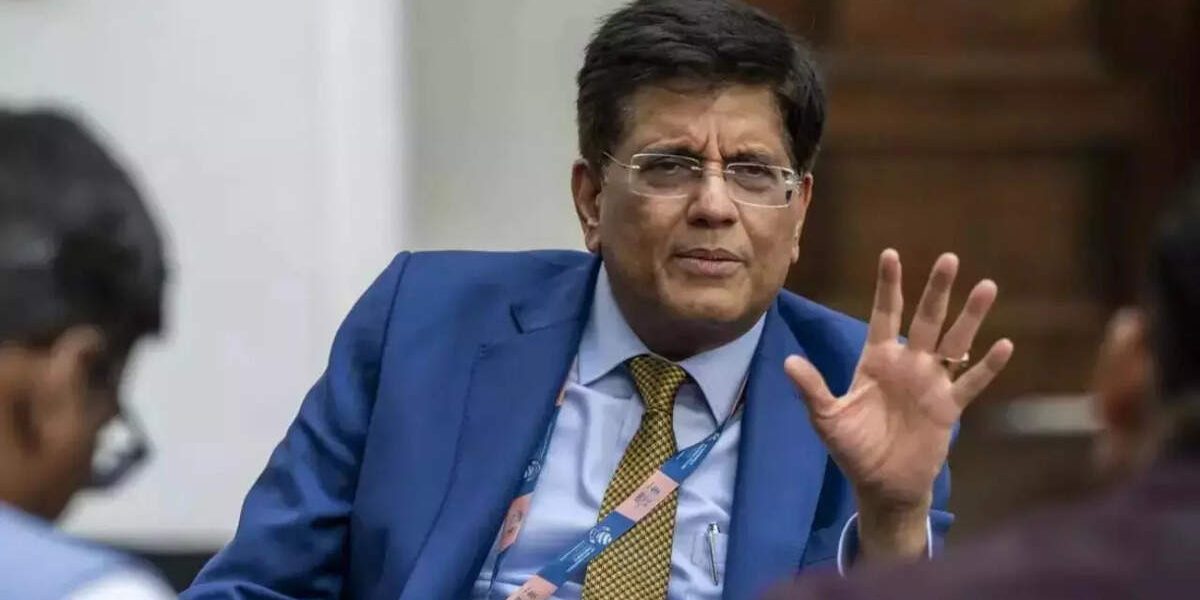
The Indian government has stepped in to remove social media links to a manipulated AI-generated video of Piyush Goyal, the Minister for Commerce and Industry. The move comes after Goyal himself flagged the altered clip, which had been used to distort his conversation with the media outside Parliament.
In a post, Goyal claimed that the video had been maliciously tampered with using AI to create a deepfake. A deepfake is a type of fake video or audio that is created using artificial intelligence (AI) to mimic the appearance and voice of a real person. In this case, the deepfake video of Goyal’s remarks was shared on social media platforms, where it was further manipulated and spread.
### What happened?
The video in question appears to show Piyush Goyal making comments that are at odds with his actual stance on certain economic issues. It’s unclear who created the deepfake video, but the fact that it was spread on social media platforms has raised concerns about the potential for misinformation and propaganda. The government’s decision to take down the links to the video may be seen as a response to these concerns.
### What this means
This incident highlights the risks of deepfake technology in the hands of malicious actors. As AI-generated content becomes increasingly sophisticated, the potential for manipulation and deception grows. The Indian government’s response is a reminder of the need for greater vigilance and regulation in the digital space.
The incident also underscores the importance of fact-checking and media literacy. With social media platforms playing a significant role in the dissemination of information, it’s essential that users are equipped to critically evaluate the content they consume online. As AI-generated content continues to evolve, it’s likely that we’ll see more cases of deepfakes and other forms of manipulation.