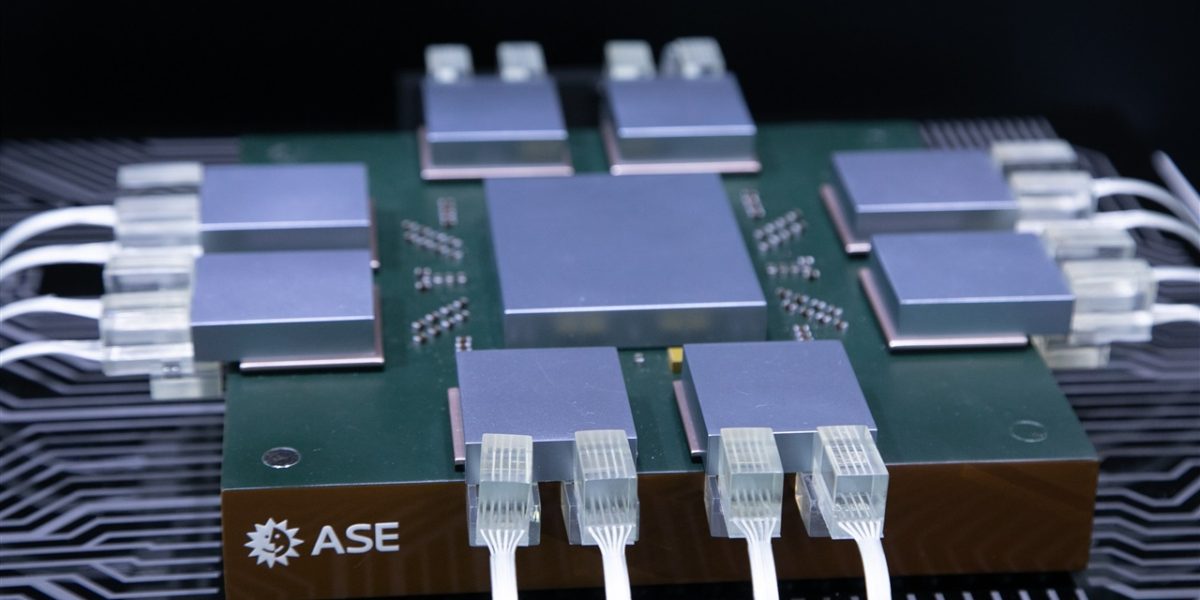
China’s OSAT providers are making a bold push into advanced chip packaging as AI demand puts pressure on the global supply.
China’s OSATs Step Up
China’s OSAT (Outsourced Semiconductor Assembly and Test) providers are trying to break into the high-end packaging market, where AI chips are putting a strain on global supply. This shift is driven by the increasing demand for AI chips, which are used in a wide range of applications, from data centers to smart homes.
The OSATs, long considered the unsung heroes of the semiconductor industry, have traditionally focused on basic packaging tasks. However, as AI demand grows, they’re being forced to up their game to meet the increasing complexity of chip designs.
The OSAT Advantage
China’s OSATs are well-positioned to take advantage of this shift. Many have already invested heavily in research and development, and have the capacity to scale up production. This, combined with the Chinese government’s support for the semiconductor industry, could give them a significant edge in the global market.
According to a recent report, China’s OSATs are already making significant strides in advanced packaging. Some of the key players, including Huawei Technologies’ subsidiary, Hisonic, and Nanjing Panda Electronics, are working closely with chip designers to develop new packaging technologies.
What This Means
The implications of China’s OSATs moving into advanced packaging are significant. For one, it could lead to a more diverse and competitive global market, giving chip designers more options for packaging. Additionally, the increased investment in research and development could lead to breakthroughs in areas such as 3D stacking and advanced interconnects.