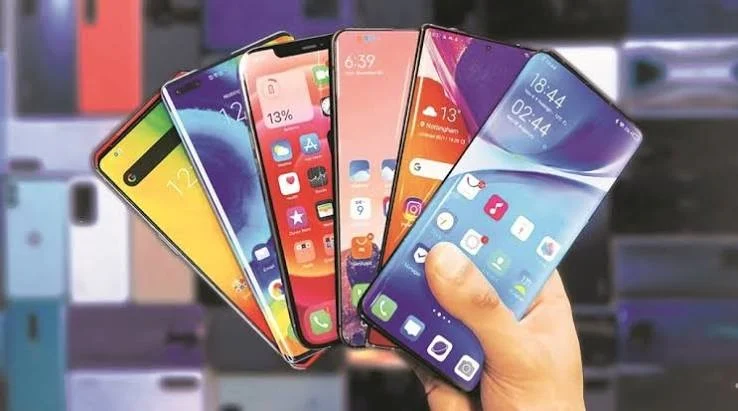
African governments, including Nigeria’s, are being told to cut taxes on entry-level smartphones as a key step towards bridging the digital divide.
The GSMA, a leading trade body for the global mobile industry, has urged African nations to take action on smartphone taxes and regulations to boost digital inclusion. The GSMA argues that high phone taxes are a major obstacle to affordable mobile devices, which are essential for access to the internet, education, and economic opportunities.
High Phone Taxes: A Major Barrier to Affordability
Research by the GSMA shows that high phone taxes can add up to **50%** of the total cost of a smartphone in some African countries. This makes mobile devices unaffordable for many low-income consumers, including students, entrepreneurs, and workers. The GSMA estimates that around **200 million** people in Africa are still without access to a mobile device, and high phone taxes are a significant contributor to this problem.
Regulatory Reforms Can Make a Difference
The GSMA is urging African governments to implement regulatory reforms that will make it easier for consumers to access affordable mobile devices. This includes reducing taxes on entry-level smartphones, streamlining regulatory requirements, and promoting competition in the mobile market. By taking these steps, African governments can unlock the potential of mobile technology to drive economic growth, improve education outcomes, and enhance social inclusion.
The GSMA’s call to action is backed by a growing body of evidence that shows the positive impact of mobile technology on African economies. A recent report by the World Bank found that every **10%** increase in mobile penetration leads to a **1.2%** increase in GDP growth. By bridging the digital divide, African governments can unlock new opportunities for economic development and improve the lives of millions of people.
What This Means
In practical terms, the GSMA’s call to action means that African governments should reduce taxes on entry-level smartphones to make them more affordable for low-income consumers. This will help to bridge the digital divide and enable more people to access the internet, education, and economic opportunities. By taking these steps, African governments can harness the power of mobile technology to drive economic growth and improve social inclusion.