US and China Engage in AI Showdown, but Some Jobs Remain Off-Limits to Robots
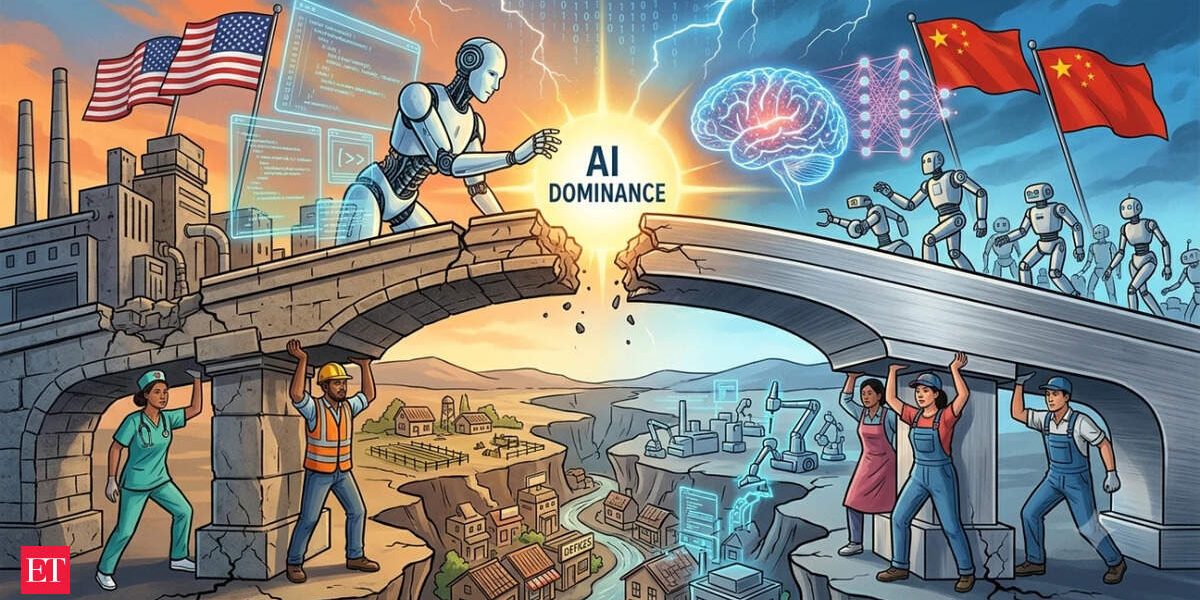
The US-China AI rivalry has reached new heights, but despite the hype, many everyday jobs are still safe from automation. While AI systems continue to advance, a significant hurdle remains – cost.
According to industry leaders, automating roles like nursing assistants and home health aides proves prohibitively expensive for businesses. These jobs require human empathy, complex decision-making, and a deep understanding of patients’ unique needs – skills that are difficult to replicate with machines.
AI’s Costly Conundrum
Experts estimate that fully automating these roles would require significant upfront investments in AI technology, including sophisticated sensors, advanced data analytics, and rigorous training data. This expense would be compounded by the need for ongoing maintenance, updates, and human oversight to ensure accuracy and prevent errors.
Jobs That Are Still Safe from AI
Here are the top 10 professions that are unlikely to be replaced by robots in the near future:
* Nursing assistants: Providing personal care and emotional support to patients, these roles require empathy, communication skills, and a deep understanding of human behavior.
* Home health aides: Assisting seniors and people with disabilities in their daily lives, these jobs demand flexibility, adaptability, and a high level of personal interaction.
* Social workers: Supporting vulnerable populations and connecting them with vital resources, social workers require strong communication skills, cultural competence, and a deep understanding of human psychology.
* Teachers: Educating and inspiring students, teachers need to be creative, patient, and skilled in communication and emotional intelligence.
* Counselors and therapists: Helping people work through mental health challenges, these roles demand empathy, active listening, and a deep understanding of human behavior.
* Artists and performers: Creating original content and entertaining audiences, these jobs require imagination, creativity, and a high level of emotional intelligence.
* Skilled craftsmen and tradespeople: Mastering complex skills like woodworking, electrical work, and plumbing, these professionals require a high level of manual dexterity and problem-solving ability.
* Healthcare administrators: Managing healthcare teams and facilities, these roles demand strong leadership, communication, and organizational skills.
* Human resources managers: Supporting employees and developing company cultures, these jobs require a deep understanding of human behavior, communication skills, and emotional intelligence.
* Community organizers: Building relationships and mobilizing communities, these roles demand empathy, creativity, and a high level of emotional intelligence.
What This Means
While AI continues to advance, many everyday jobs are still safe from automation. This means that people in these professions can focus on developing their skills, building their careers, and serving their communities with confidence.