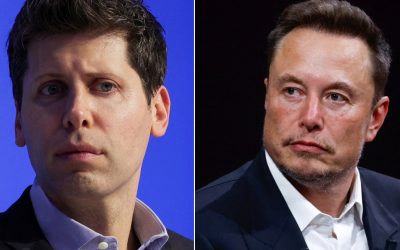
A federal jury in Oakland, California, dealt Elon Musk a significant blow yesterday, ruling against him in his high-profile lawsuit against OpenAI and CEO Sam Altman. The jury found that Musk’s claims were filed beyond the statute of limitations, effectively rendering the case null and void.
Musk, known for his unapologetic attitude, immediately pushed back against the verdict, claiming the loss was a result of a “technicality.” He’s since vowed to appeal the decision, citing the importance of holding OpenAI accountable for its actions.
While the specifics of the lawsuit remain unclear, it’s understood that Musk had raised concerns over OpenAI’s handling of sensitive AI research and data. Musk has been a vocal advocate for the need for greater transparency and regulation in the industry, often finding himself at odds with the likes of OpenAI and its CEO, Sam Altman.
The statute of limitations is a contentious issue in this case, as Musk’s team argued that OpenAI had engaged in “ongoing” conduct that fell short of industry standards. This claim, however, appears to have been shot down by the jury.
What this means for the average person is that the lines between business interests and AI regulation are becoming increasingly blurred. As AI continues to permeate every aspect of our lives, it’s clear that questions of accountability and oversight will only continue to grow in importance.
Musk’s decision to appeal the verdict speaks to his unwavering commitment to this cause. Love him or hate him, Musk has long been a driving force behind conversations around AI’s potential risks and rewards.
For now, the fate of Musk’s lawsuit against OpenAI remains uncertain. One thing, however, is clear: this saga will have far-reaching implications for the future of AI and its regulation.
The tech world will be watching closely as this story unfolds. Will Musk’s appeal be successful? And what does this mean for the future of AI research and development? Only time will tell.