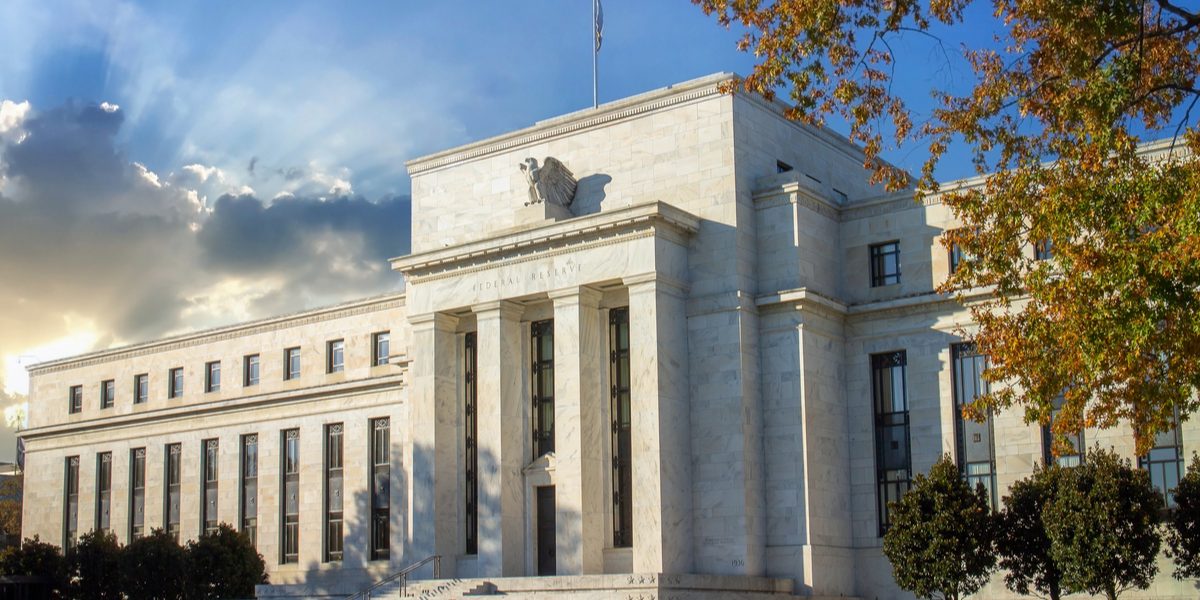
Michelle Bowman makes a bold statement on AI in finance: “Supervision should not be a barrier to innovation.”
At a pivotal moment in the intersection of technology and finance, Federal Reserve Vice Chair for Supervision Michelle W. Bowman has spoken out in support of banks using artificial intelligence (AI) to drive financial inclusion. She emphasized that regulatory oversight should not hinder the adoption of AI in the banking sector, as this technology has the potential to expand access to financial services for underserved communities.
Bowman’s Key Point
During her recent address, Bowman highlighted the importance of striking a balance between supervising the banking sector and allowing it to innovate. She stated that “tailored supervision” is key to ensuring that banks can effectively use AI without increasing the risk of financial instability.
The Benefits of AI in Finance
The use of AI in banking can have a significant impact on financial inclusion. For instance, AI-powered lending models can more accurately assess creditworthiness, helping to provide access to loans for individuals or small businesses that may have been rejected in the past. Additionally, AI-driven financial analysis tools can help banks better understand their customers’ needs and tailor their services accordingly.
What this means is that banks should be encouraged to experiment with AI without fear of increased regulatory scrutiny. By doing so, they can unlock new opportunities for promoting financial inclusion, which is essential for building more equitable and resilient economies.
Regulatory Clarity Needed
While Bowman’s statement represents a significant shift in the regulatory landscape, it remains to be seen how the Federal Reserve and other regulatory bodies will implement tailored supervision in practice. Clear guidelines and guidelines will be essential in ensuring that banks can harness the benefits of AI while minimizing potential risks.
In a rapidly changing financial landscape, Bowman’s words serve as a welcome signal that regulators are prepared to adapt and innovate alongside banks. As AI continues to transform the banking sector, it’s clear that regulatory clarity will be crucial in unlocking its full potential for financial inclusion.