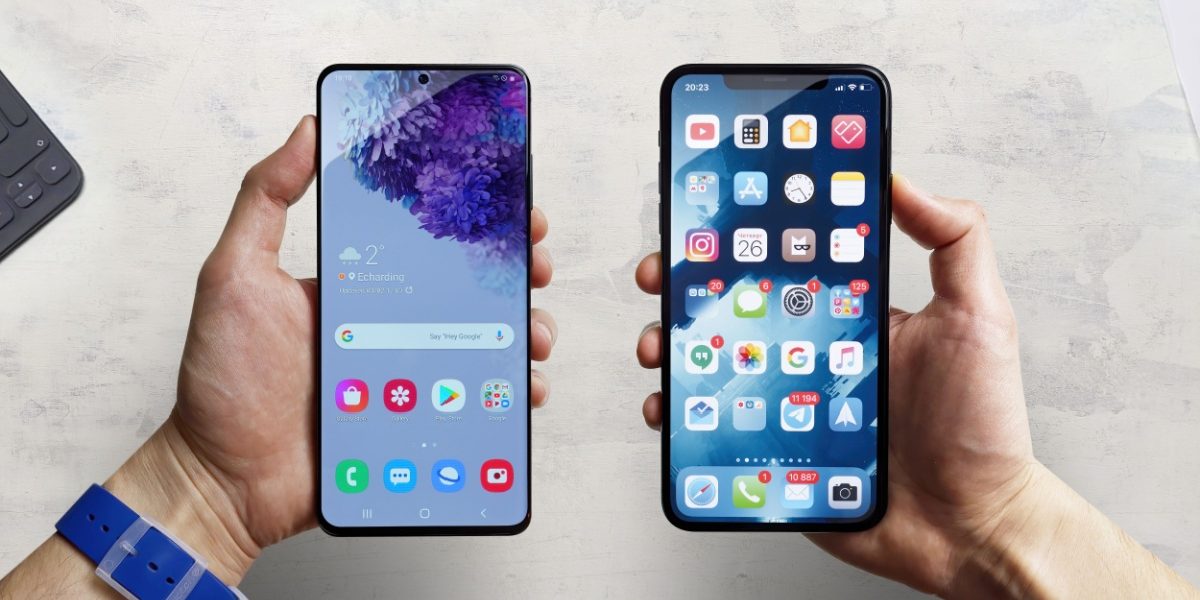
Global smartphone sales have hit a 13-year low in the second quarter, with a steep 11% year-over-year decline, according to analytics firm Counterpoint Research.
Memory Crunch
The collapse comes as smartphone manufacturers pass on the rising cost of memory components to consumers, making high-end devices even pricier. Counterpoint Research attributed the slump to these increased prices, which squeezed demand from price-sensitive buyers.
The research firm noted that the average selling price (ASP) of smartphones rose by 8% year-over-year in the second quarter, driven by a 13% increase in the cost of memory components. Top-tier brands, like Apple and Samsung, were among the hardest hit, as their high-end devices are often the most reliant on pricey memory chips.
This shift in pricing strategy has put consumers in a bind. With higher costs and reduced affordability, buyers are opting for lower-end or older models, or simply delaying their purchases. The trend suggests a significant shift in consumer behavior, as price-sensitive buyers increasingly look to value-for-money options.
What this means
The price hikes are expected to have long-term implications for the industry. To combat the sales slump, manufacturers may be forced to revisit their pricing strategies or explore alternative components to reduce costs. This could, in turn, impact the development of future devices, potentially slowing innovation in areas like AI-powered cameras and 5G connectivity.
In the short term, consumers may have to adjust to paying more for their next smartphone or settle for lower-end options. The industry’s response to this crisis will be closely watched, as manufacturers and consumers alike adapt to the new reality.
A Slowing Market
The decline in smartphone sales is a symptom of a broader slowdown in the tech industry. As consumers become more cautious with their spending, manufacturers are facing a perfect storm of increased costs and reduced demand. Whether this downturn marks a turning point for the industry or a temporary blip remains to be seen.
One thing is certain: the rise in memory costs has left the smartphone market reeling. As manufacturers struggle to balance profitability with affordability, consumers are left to navigate the consequences of this shifting landscape.