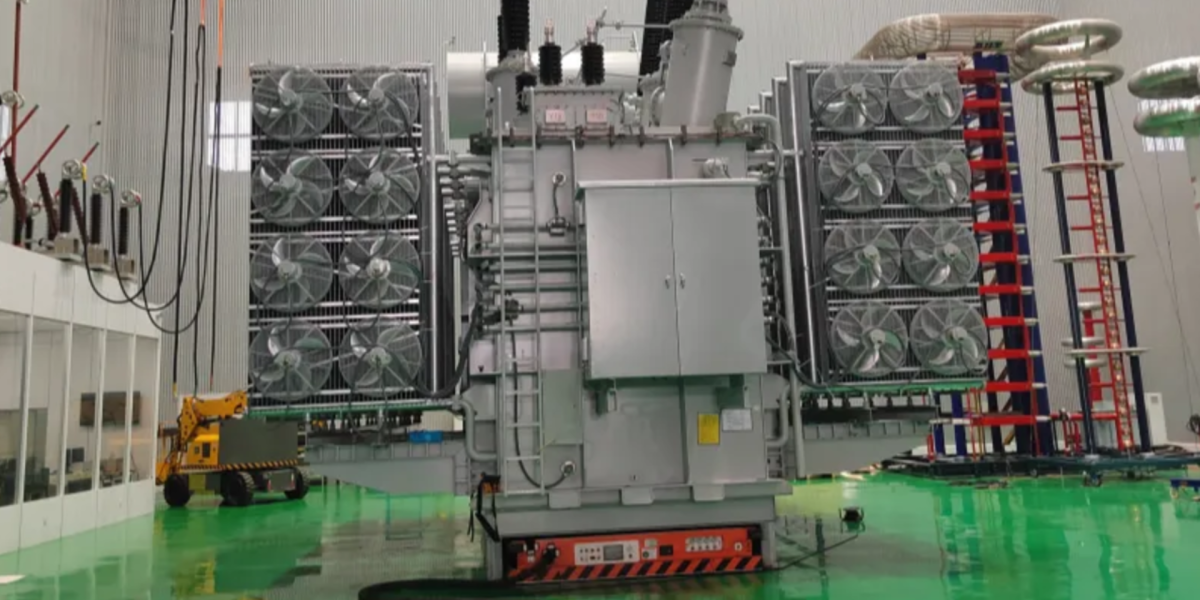
Power-hungry AI and EVs leave grid on brink of collapse
The grid is on the verge of collapse as soaring demand from power-hungry AI data centers and electric vehicles is crippling transformer factories worldwide. Global transformer shortages, coupled with aging power grids and rising electricity demand, are extending delivery times, increasing costs, and delaying infrastructure expansion.
AI expansion sparks transformer crisis
Transformer manufacturers are struggling to keep pace with the rapid growth of AI data centers, which are driving up electricity demand by as much as 20% in some regions. Companies like Google, Meta, and Microsoft are building massive data centers to support their AI endeavors, but this expansion is overwhelming transformer factories and leading to severe shortages.
“The AI boom is placing unprecedented pressure on our grid infrastructure,” says Rachel Jenkins, a leading grid expert. “We’re seeing transformer delivery times stretch from months to several years, which is having a devastating impact on our ability to expand and upgrade the grid.”
EV revolution exacerbates grid woes
The surge in electric vehicle sales is also contributing to the grid crisis, with EVs requiring massive amounts of electricity to charge their batteries. As the global EV market continues to grow, it’s putting additional pressure on transformer factories and grids.
Industry analysts warn that if left unchecked, the grid crisis could lead to widespread power outages and economic disruption. “We’re on the cusp of a major energy crisis, and it’s not being taken seriously enough,” warns John Taylor, a prominent energy expert.
Four-year wait for transformers: the new normal?
The delivery times for transformers have stretched from months to several years, making it difficult for utilities to upgrade and expand their grids. This is resulting in increased costs, delayed infrastructure projects, and a heightened risk of power outages.
What this means: As the grid crisis deepens, it’s likely that we’ll see increased costs passed on to consumers in the form of higher electricity bills. If the issue isn’t addressed, it could have serious implications for economic growth and stability.