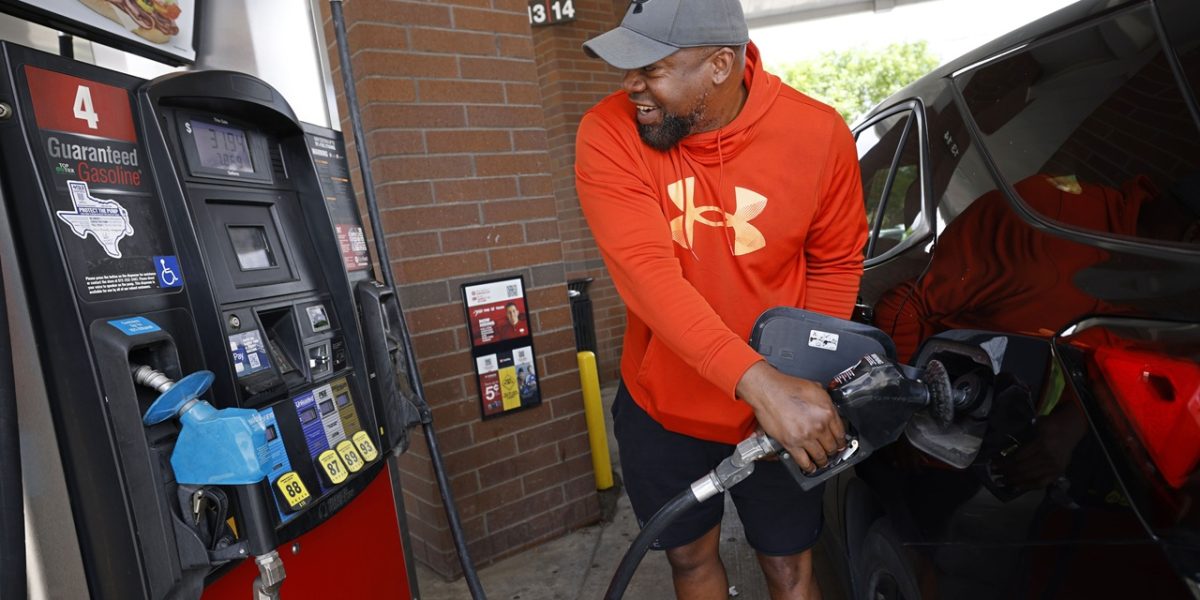
Crude oil prices plummeted by nearly 20% in a single month, but don’t expect relief at the pump just yet.
The Long Refining Road to Lower Gas Prices
It’s a common phenomenon: oil prices drop sharply, but gas prices at the pump take their sweet time to follow suit. The reason lies in the complexities of the refining process and the policy-driven supply chain that governs how oil is transformed into gasoline, diesel, and other fuels.
Crude oil, the raw material from which gasoline is derived, can be stored in vast oil reserves for extended periods. This stockpile acts as a buffer, smoothing out price fluctuations and absorbing price shocks. When crude oil prices drop, it doesn’t immediately translate to lower gas prices. The stored crude needs to be processed, refined, and distributed to local gas stations, a process that takes time.
From Drill Rigs to Gas Stations: A Policy-Driven Chain
The refining process is heavily influenced by government policies and regulations, which can slow down the transmission of lower crude oil prices to gas pumps. For instance, tariffs on imported crude oil or refined products can artificially inflate prices at the pump. Similarly, environmental regulations and taxes can add to the cost of refining crude oil.
The situation is further complicated by the fact that gas stations often purchase gas from various suppliers, including wholesalers, refineries, and marketers. These suppliers may not immediately adjust their prices to reflect lower crude oil costs, leading to a delay in the transmission of savings to consumers.
What This Means: Patience Pays Off
The takeaway for drivers is that lower gas prices are not always a matter of when, but rather a matter of how long it takes for the complex system to adjust. When crude oil prices drop, it’s essential to be patient and wait for the price savings to trickle down to the pump. This may take weeks or even months, but eventually, the benefits will reach consumers. In the meantime, consider exploring alternative transportation options, reducing fuel consumption, or switching to more fuel-efficient vehicles to mitigate the impact of high gas prices.