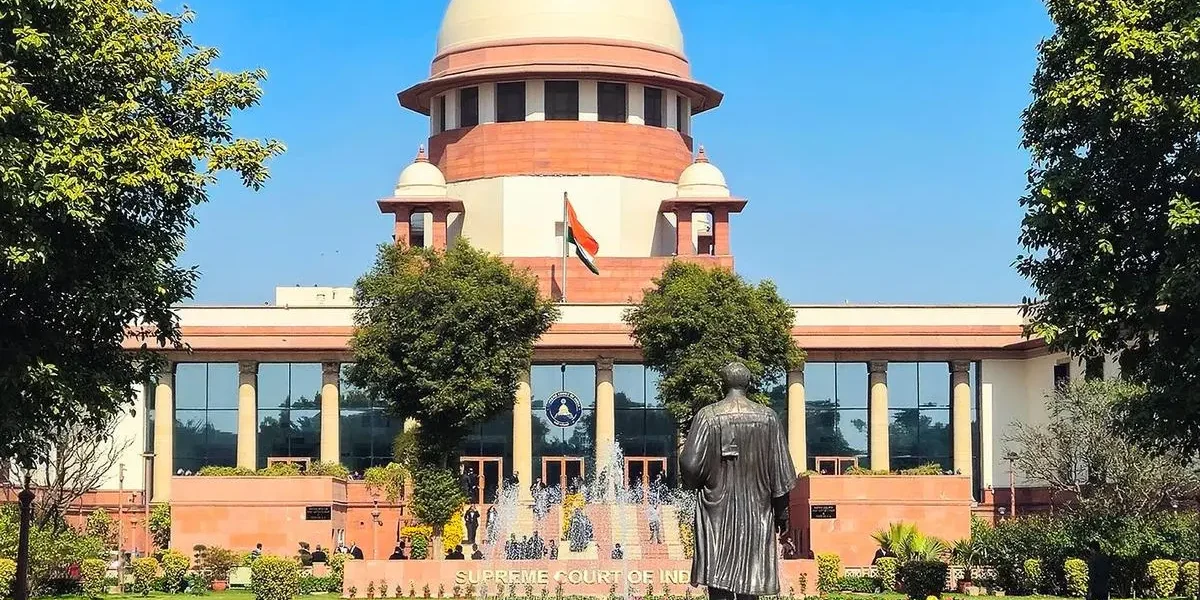
A Supreme Court U-Turn Exonerates Business Tycoons
The Supreme Court of India has dealt a significant blow to the Securities and Exchange Board of India (SEBI) by refusing to stay a decision that clears **Nusli Wadia**, chairman of Bombay Dyeing and Wadia Group, of charges related to fraudulent accounting.
On Monday, the Supreme Court upheld a ruling made by the Securities Appellate Tribunal (SAT), which had exonerated **Nusli Wadia** in an ongoing case. This decision marks a major victory for the Wadia group, particularly **Nusli Wadia**, who has been embroiled in this case for years.
Back in 2013, SEBI had filed a complaint against **Nusli Wadia**, claiming that he and his associates at Bombay Dyeing had artificially inflated the company’s profits. SEBI alleged that the company’s financial statements contained material misstatements and fraudulent transactions.
However, the SAT last year rejected SEBI’s claims, stating that the evidence presented by the regulator was insufficient to prove the alleged wrongdoing. SEBI had appealed this decision to the Supreme Court, but the top court has now ruled in favor of the Wadia group, refusing to stay the SAT’s order.
The Supreme Court’s decision has significant implications for the business community in India. **Nusli Wadia** and the Wadia Group are prominent names in the Indian corporate landscape, and this ruling sends a strong message about the need for regulators to present robust evidence before taking action against business leaders.
What this means:** Business leaders in India can take heart from this ruling, which highlights the importance of due process and the need for regulators to present solid evidence before taking action. It’s also a reminder that the judiciary can serve as a check on overzealous regulators, and that justice can be served in the country’s highest courts.