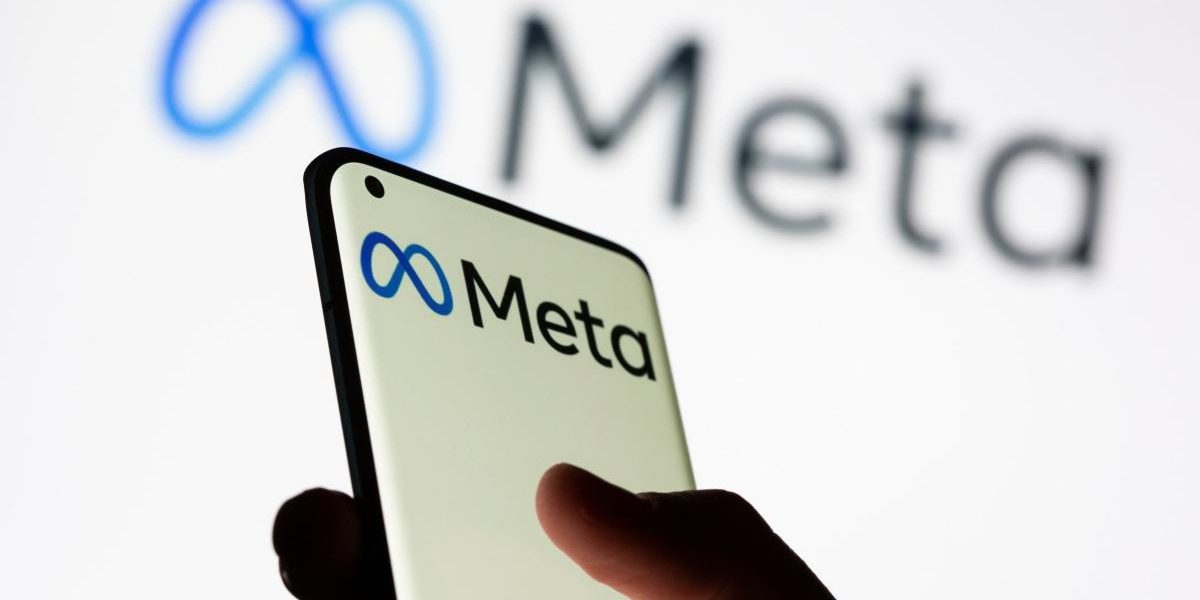
Meta’s Muse AI tool has been disabled just days after its launch, following backlash from the talent agency Creative Artists Agency (CAA) and performers’ union SAG-AFTRA. The criticism centered around the AI’s automatic opt-in policy for public Instagram accounts, sparking heated debates about AI consent and user privacy.
CAA and SAG-AFTRA raised concerns that Meta’s Muse AI tool was collecting users’ likenesses without their explicit consent, potentially infringing on their rights under the Copyright Act and the California Consumer Privacy Act.
The controversy began when Meta launched Muse AI, a powerful image generator that uses users’ Instagram posts to create new, AI-generated images. However, the tool’s automatic opt-in policy caught many off guard, including CAA and SAG-AFTRA. They argued that users should have been given the option to opt-out of the AI’s use of their likenesses, rather than being automatically opted-in.
Muse AI’s disabling is the latest twist in a long-standing debate about AI consent and user privacy. As AI tools become increasingly sophisticated and widespread, concerns about their impact on users’ rights and well-being are growing. In this case, the controversy highlights the need for clear and transparent policies around AI usage and consent.
The incident also underscores the importance of regulatory frameworks around AI usage. As AI continues to evolve and improve, lawmakers and regulators will need to play catch-up to ensure that users’ rights are protected. For now, the Muse AI controversy serves as a cautionary tale for AI developers: prioritize user consent and transparency, or risk facing the backlash.
By disabling Muse AI, Meta has taken a step in the right direction, acknowledging the concerns of CAA, SAG-AFTRA, and other users. However, the incident also highlights the need for ongoing dialogue and debate around AI consent and user privacy. As AI continues to shape our world, it’s crucial that we prioritize transparency, accountability, and user rights.