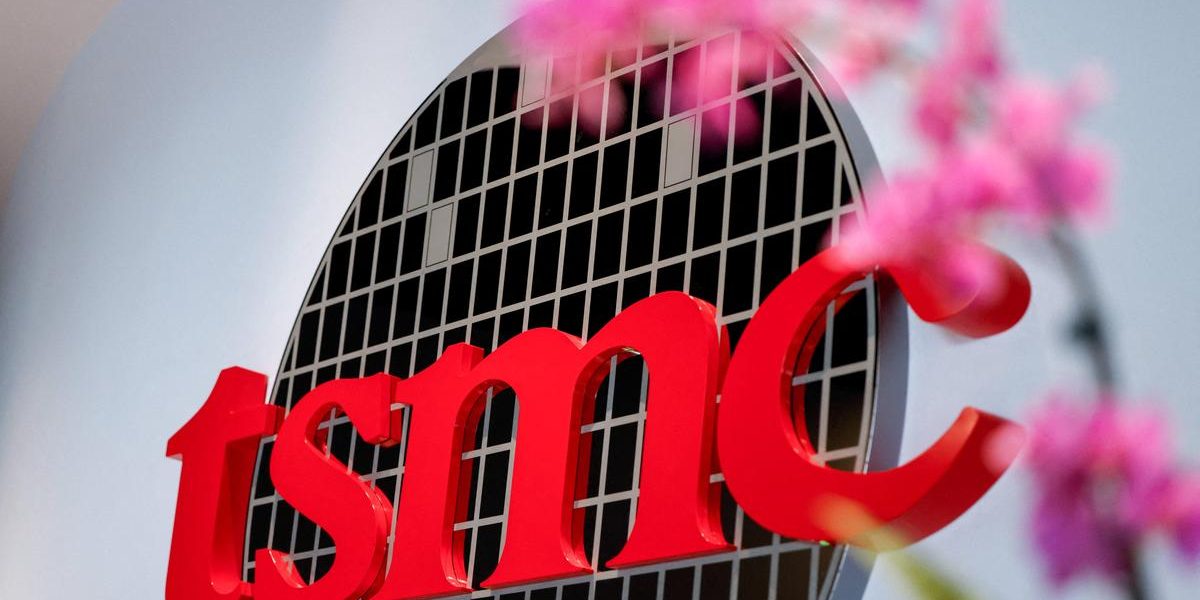
TSMC Posts Record Revenue in Second Quarter on AI Demand
The Taiwanese tech giant TSMC has just smashed its own revenue record, raking in a whopping T$1.27 trillion in earnings for the second quarter. That’s a 36% jump from last year, and it’s all thanks to a surge in demand for artificial intelligence (AI) chips.
The world’s largest contract chipmaker, TSMC, has been riding a wave of success thanks to its long-standing partnership with the likes of Apple and Qualcomm. But this time around, it’s AI that’s driving the growth. As more companies pour investment into AI research and development, TSMC is cashing in on the demand for specialized chips that can handle the complex computations required.
What’s driving AI demand?
From virtual assistants like Siri and Alexa to self-driving cars and medical research, AI is everywhere. And it’s not just about the end products – the underlying infrastructure, including chips and servers, is what’s really driving the growth. As companies like Google, Amazon, and Facebook continue to push the boundaries of AI, they need hardware that can keep up.
That’s where TSMC comes in. The company has invested heavily in its manufacturing capabilities, and its 5-nanometer process technology is particularly well-suited for AI applications. This means that TSMC can churn out high-performance chips that meet the demands of AI workloads, making it a go-to supplier for companies looking to boost their AI capabilities.
A boom for TSMC?
TSMC’s record revenue is a clear indication that the company is well-positioned to ride the AI wave. As AI continues to transform industries and power new innovations, the demand for AI chips is only going to grow. This could be a boom time for TSMC, and investors are likely to be eager to see how the company continues to deliver.
What this means: For consumers, the impact of TSMC’s success may not be immediately apparent. But as AI becomes more ubiquitous, it’s likely that we’ll see new and exciting applications emerge. The good news is that TSMC’s growth is a sign of a healthy ecosystem, and that could lead to faster innovation and better products in the long run.