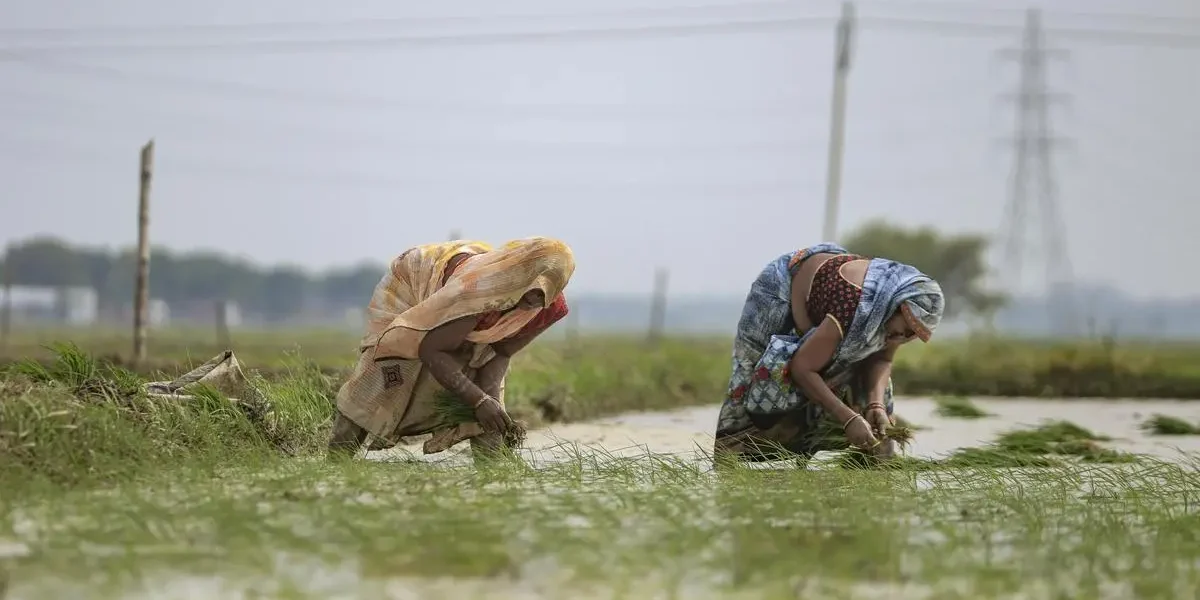
Around 50% of India’s workforce is employed in agriculture, yet the sector’s efficiency and productivity have long been hindered by outdated systems and disconnected stakeholders.
Digital Transformation Takes Root in Indian Agriculture
For the past few years, the Indian government has been pushing to modernize the agricultural sector through digital means. This effort is finally bearing fruit as integrated digital ecosystems start to transform the country’s agricultural value chain.
The key to this transformation lies in the creation of end-to-end digital platforms that connect farmers, traders, lenders, and policymakers in a seamless manner. These platforms allow for the free flow of information, facilitating better decision-making, improved collaboration, and efficient supply chain management.
One such example is the National Agricultural Market (eNAM) initiative, launched in 2016 to create a unified, online platform for farmers to buy and sell their produce. Today, eNAM has connected over 700 markets across 22 states and 15 commodities, fostering a competitive environment and ensuring fair prices for farmers.
The eNAM initiative is just a part of the larger digital ecosystem being developed in India’s agricultural sector. Other platforms, such as the Crop Insurance Scheme and the Soil Health Card Scheme, have also been implemented to provide farmers with vital information on crop insurance, soil quality, and market prices.
Improved Efficiency and Increased Productivity
The integration of digital technologies has significantly improved the efficiency and productivity of India’s agricultural sector. Farmers can now access real-time weather updates, soil moisture levels, and market prices on their mobile devices, enabling them to make informed decisions about planting, irrigation, and harvesting.
Traders and buyers can also access a wide range of information on the quality, quantity, and price of products, facilitating smoother transactions and reducing the risk of adulteration. Furthermore, lenders can assess the creditworthiness of farmers more accurately, enabling them to provide timely financial support to those in need.
What this means
The integration of digital ecosystems in India’s agricultural sector has the potential to boost the country’s agricultural growth and improve the livelihoods of millions of farmers. By providing them with access to vital information, connecting them with the right stakeholders, and enabling efficient supply chain management, India can unlock the full potential of its agricultural sector and become a major player in the global market.