Russian authorities have foiled a Ukrainian military operation to attack a strategic airfield, thanks to an unexpected hero: a Russian citizen turned informant.
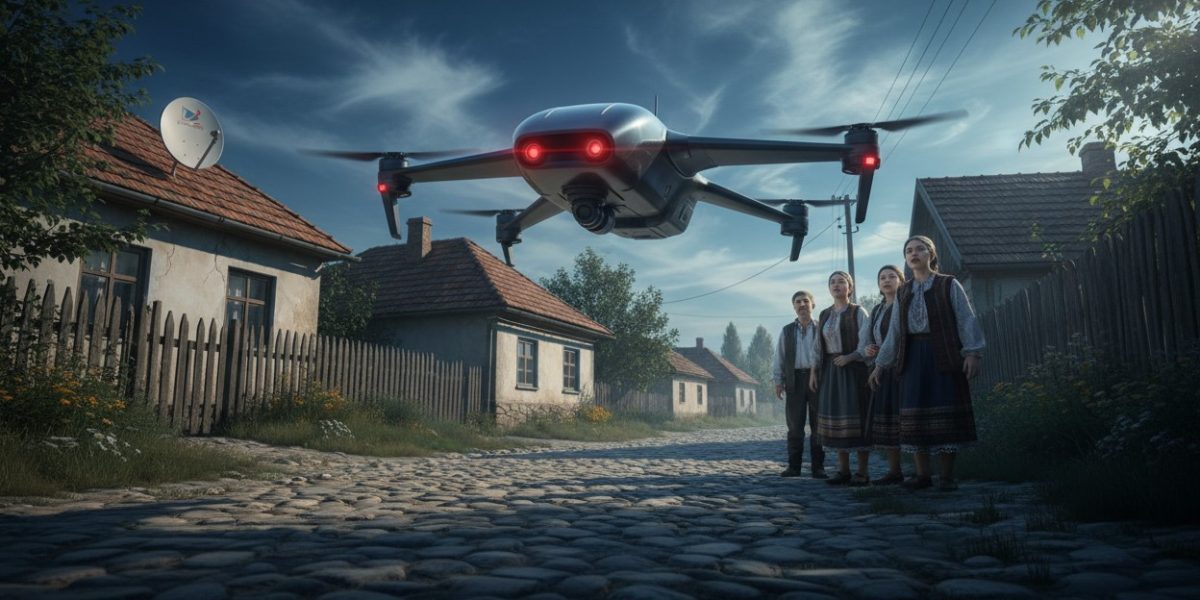
A Russian citizen, recruited by Ukraine’s military intelligence, alerted the FSB (Federal Security Service) about a plan to launch 13 AI-equipped drones at the Rostov-Centralny military airfield in southern Russia. The drones were smuggled into the country, carrying improvised explosive devices (IEDs) and equipped with AI-powered navigation systems, allowing them to potentially evade air defenses.
The operation is a stark reminder of the growing role of AI in modern warfare. While Ukraine has been using drones against Russian targets effectively, the use of AI guidance on these drones represents a significant escalation in capabilities.
The drones themselves are not the only worrying aspect of this operation. The fact that a Russian citizen was recruited by Ukrainian intelligence highlights the complex web of human motivations and allegiances in a conflict that has seen numerous civilian lives affected.
The incident has also sparked concerns about the potential for AI-powered attacks on civilian targets. With AI systems allowing drones to adapt and respond to changing situations in real-time, the risk of unintended consequences or collateral damage increases exponentially.
What this means: The use of AI in military operations highlights the need for better cybersecurity measures and more robust defense systems, especially for critical infrastructure like airfields. As AI continues to play a larger role in modern warfare, the stakes for both military and civilian lives will only continue to rise.
Security Measures Underfire
The Rostov-Centralny airfield, located near the city of Rostov-on-Don, is a key military hub in southern Russia. The incident has raised questions about the effectiveness of Russia’s security measures in detecting and preventing such attacks.
Human Factors Complicate AI-Driven Attacks
The involvement of a Russian citizen in the operation highlights the complex web of human motivations and allegiances in the conflict. It also underscores the need for more effective counterintelligence efforts to prevent such recruitment efforts.
AI-Powered Threats Expand in Scope
The use of AI-powered drones in this operation marks a significant escalation in capabilities. As AI continues to play a larger role in modern warfare, the risks of unintended consequences or collateral damage increase exponentially.