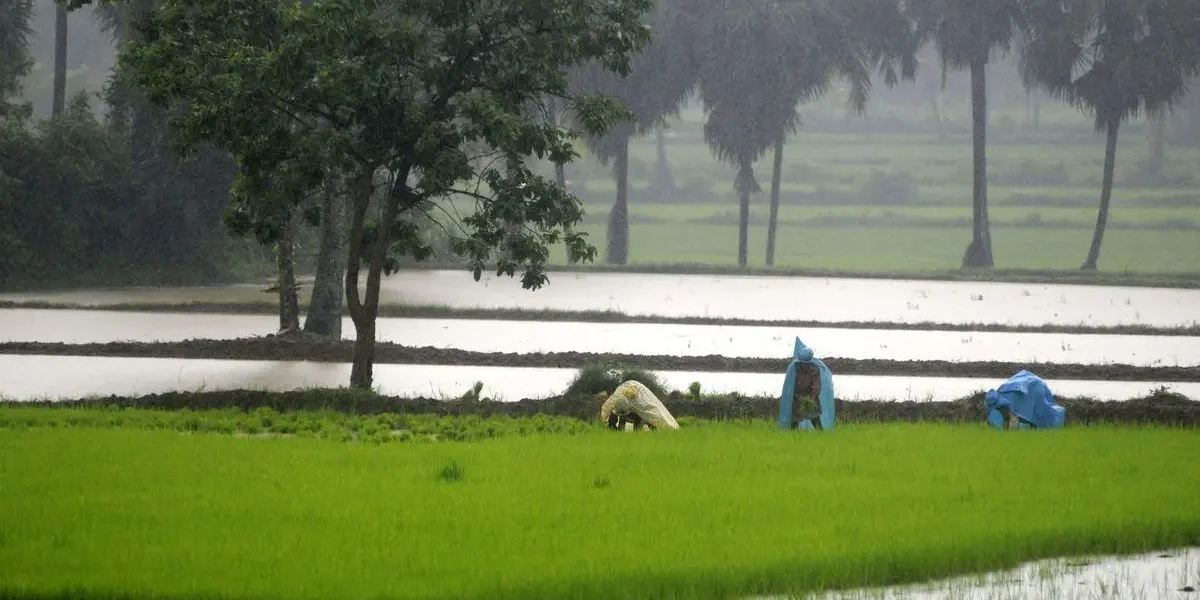
Indian agriculture is facing an existential threat from climate change, with unpredictable monsoons and rising temperatures causing widespread crop failures and devastating its economy.
Climate Change Is No Longer a Distant Concern
For millions of farmers, the effects of climate change are no longer a distant worry, but a daily reality. The country’s agriculture sector, which accounts for 18% of its GDP and employs over 50% of its workforce, is bearing the brunt of this crisis.
Unpredictable monsoons are a major cause of concern, as they lead to crop failures and damage. India’s monsoon is a critical factor in its agricultural production, with most of its crops relying on this seasonal rainfall. However, the changing climate is making the monsoon increasingly unpredictable, leading to crop failures and economic losses.
Diversification and Resilience Are the Keys
The key to Indian agriculture’s survival lies in diversification and strengthening resilience. By adopting climate-resilient crops and farming techniques, farmers can reduce their vulnerability to climate-related risks. This can include using drought-tolerant crops, practicing conservation agriculture, and adopting agroforestry.
Farmers are also being encouraged to diversify their crops and engage in value-added activities, such as processing and value-added products. This can help them earn a better income and reduce their dependence on a single crop.
A New Era of Climate-Resilient Agriculture
The Indian government is taking steps to promote climate-resilient agriculture. The National Mission for Sustainable Agriculture, launched in 2014, aims to promote climate-resilient agriculture practices and provide support to farmers affected by climate-related risks.
The mission has helped to promote the use of climate-resilient crops, conservation agriculture and agroforestry practices, and provided support to farmers affected by drought and other climate-related hazards.
What This Means: Indian agriculture needs to adapt to the new reality of climate change. By diversifying crops, adopting climate-resilient farming techniques, and strengthening resilience, farmers can reduce their vulnerability to climate-related risks and build a more sustainable future for the sector.