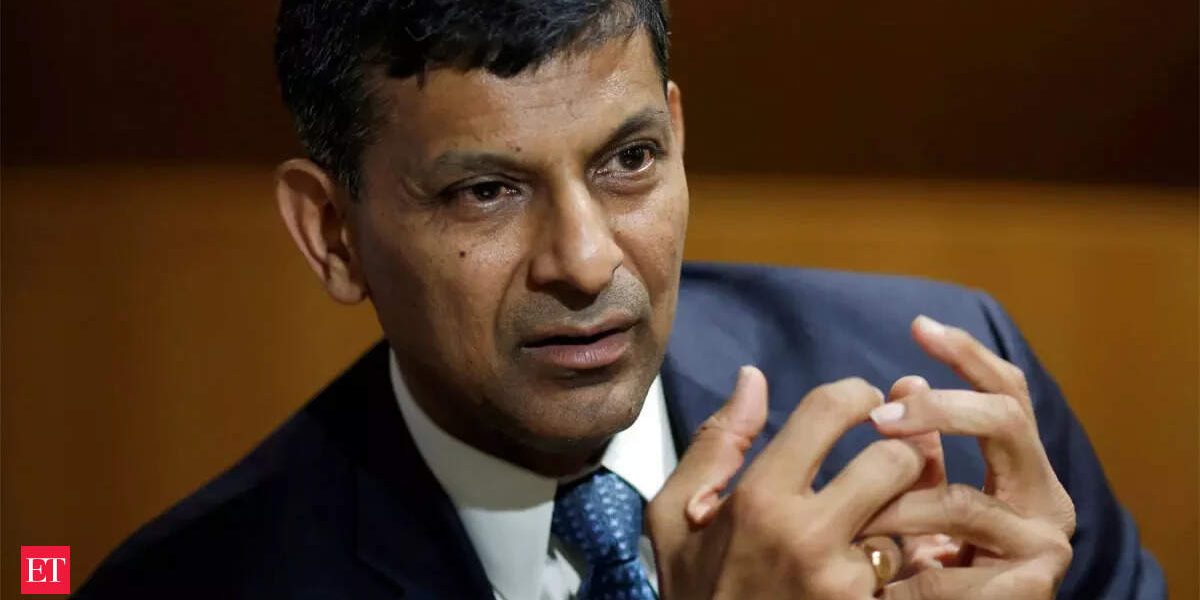
The US Federal Reserve has appointed a slate of Indian-origin experts, including **Raghuram Rajan**, the former Governor of India’s Reserve Bank, and **Raj Chetty**, a prominent economist from Delhi, to its review panels. These panels will scrutinize the effectiveness of the US Fed’s monetary policy tools and data.
The appointments aim to bring fresh perspectives to the US Fed’s policy-making process. **Asha Sharma**, a senior executive at Microsoft, will lead the assessment of technology’s impact on employment and economic growth. Her focus on the intersection of tech and the economy is likely to inform the Fed’s understanding of the complex relationships between technological advancements, job markets, and overall growth.
Raghuram Rajan, known for his thoughtful insights on economic policy, will join a task force examining the Fed’s toolkit for stabilizing the economy. Raj Chetty, on the other hand, will contribute his expertise on the effects of monetary policy on low-income households.
Expert Perspectives
The inclusion of these Indian-origin experts marks a significant step towards enhancing diversity within the US Fed’s review panels. Their diverse backgrounds and areas of expertise will help ensure that the Fed’s policy decisions account for the experiences and perspectives of a wide range of Americans.
What this means
For the US economy, these appointments signal a commitment to informed, inclusive policy-making. As the Fed continues to shape the country’s monetary policy, these experts will help ensure that their decisions reflect a nuanced understanding of the complex interactions between technology, job markets, and economic growth.
Monetary Policy Review
The US Fed’s review panels will focus on several key areas, including the effectiveness of forward guidance, the Fed’s use of macroprudential tools, and the development of alternative data sources. The inclusion of Asha Sharma, Raghuram Rajan, and Raj Chetty will help the Fed better understand the implications of technological advancements on employment and economic growth.