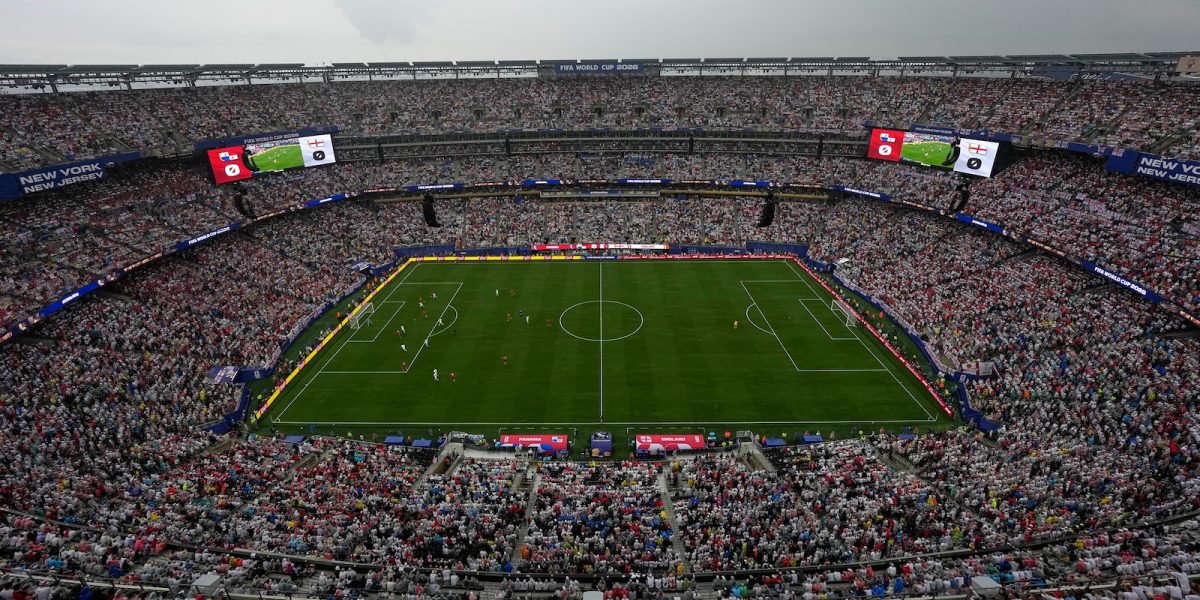
Global soccer body FIFA is flogging off pieces of the final field at the upcoming World Cup, with each $450 piece essentially serving as a memento for fans.
FIFA’s Pitch for Profit
FIFA, accused of charging high prices for this year’s tournament in the United States, is selling the grass that will be used for the World Cup final in New Jersey. The organization has started taking orders for small pieces of the turf, each measuring 6 x 6 inches, and is selling them for a neat $450 apiece.
The move has raised eyebrows, given the criticism FIFA has faced for its pricing strategy. Fans were already expected to fork out hefty amounts for tickets to the tournament, with some seats reportedly selling for over $1,000. Now, with the opportunity to buy a piece of the World Cup final field, some are questioning the cost and perceived value.
A Piece of History, but at What Price?
While the idea of owning a piece of the World Cup final field might appeal to some, the cost is likely to be a barrier for many fans. For those looking to commemorate their love for the beautiful game, there are probably more affordable options available.
What this means for fans who want to own a piece of the World Cup history without breaking the bank is that they should consider alternative merchandise or souvenirs being sold by FIFA or its partners. These might offer a more affordable way to celebrate their love for soccer without the hefty price tag of a piece of the World Cup final field.
Business as Usual?
FIFA’s decision to sell the World Cup final field in pieces is likely a business move aimed at generating additional revenue from the tournament. With the organization facing criticism over its pricing strategy, this move might be seen as a way to justify the costs associated with putting on the World Cup.
However, the move has also highlighted the commercialization of the beautiful game, which some argue detracts from the core values of soccer. As the business of sports continues to grow, it will be interesting to see how fans and governing bodies like FIFA strike a balance between profit and the love of the game.