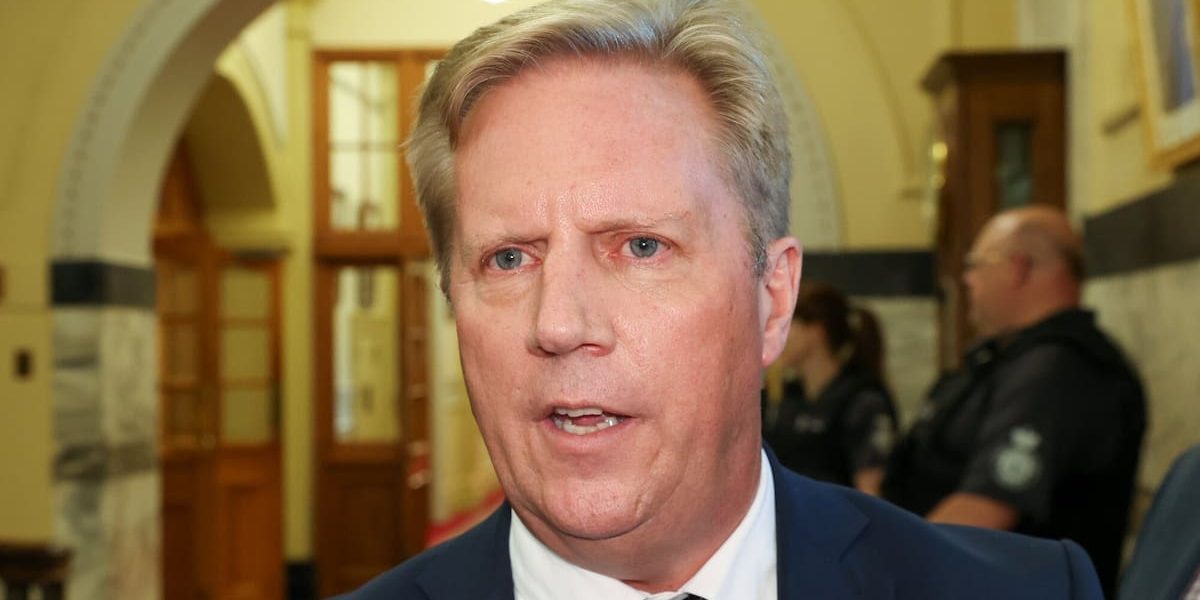
Trade Minister Todd McClay is taking centre stage in Auckland as he chairs a pivotal meeting of the Free Trade Area of the Asia-Pacific (FTAAP) Partnership, formerly known as the APEC Business Advisory Council (ABAC) FIT Partnership.
The FIT Partnership: A New Era in Trade
New Zealand is joining forces with Singapore, Switzerland, the United Arab Emirates, Brunei, Chile, Costa Rica, Iceland, Liechtenstein, Malaysia, Morocco, Norway, Pakistan and Viet Nam to rewrite the rules of global trade.
This diverse group of 15 countries aims to establish a rules-based trade system that fosters economic growth, reduces barriers and increases opportunities for businesses across the Asia-Pacific region.
What’s Behind the Push for FTAAP?
The APEC region is home to over 3 billion people, accounting for more than 40% of the world’s population and 30% of global GDP. As trade dynamics shift, the FTAAP Partnership seeks to strengthen economic links and promote regional integration.
“The FTAAP Partnership is a response to the changing trade landscape,” says Todd McClay. “We’re working together to create a more rules-based trade system that promotes economic growth, transparency and predictability.”
The Partnership will focus on areas like digital trade, intellectual property protection, and supply chain resilience, with the ultimate goal of launching a regional trade agreement that sets a new standard for trade liberalization.
A New Era for Trade – What This Means
For businesses in New Zealand and across the Asia-Pacific, the FTAAP Partnership offers a promising opportunity to increase trade, reduce costs and reach new markets.
As the rules-based trade system takes shape, companies can expect greater clarity and consistency across border regulations, making it easier to export goods and services.
The FTAAP Partnership is a significant step towards creating a more integrated and prosperous Asia-Pacific region, where businesses can thrive and growth is fueled by trade.