SK Hynix Jumps 12.8% in Blockbuster Wall Street Debut Amid AI Frenzy
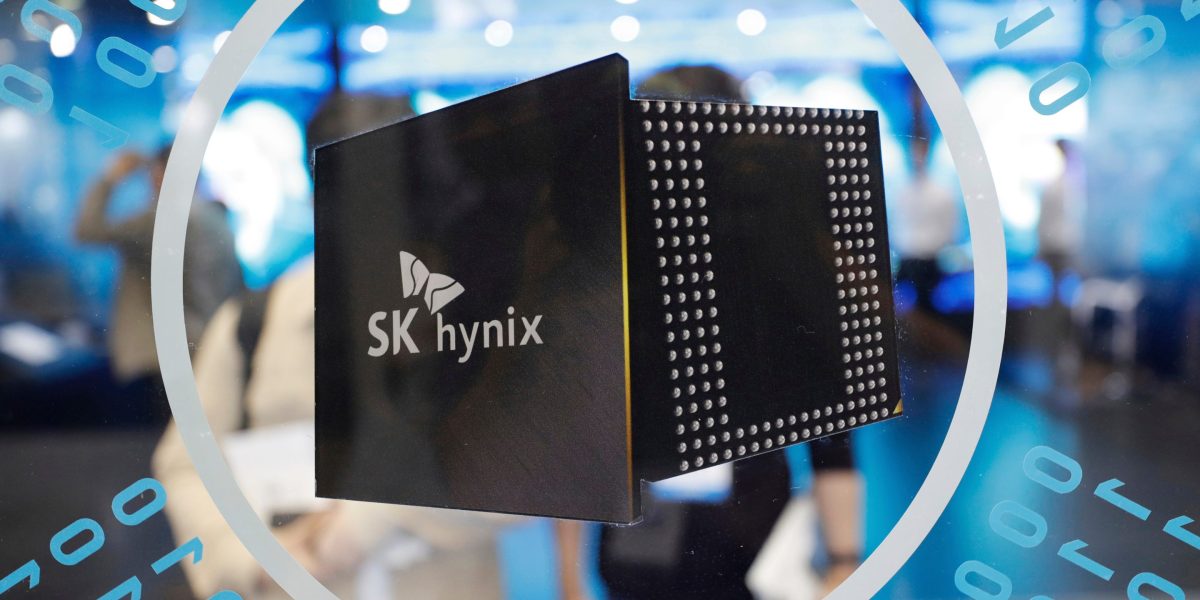
South Korean memory chipmaker SK Hynix just broke records on Wall Street, with its American depositary receipts (ADRs) soaring nearly 13% on their debut. The company priced its ADRs at $149 each, but they opened at $170 and closed at $168.01, making it the largest initial share sale in the U.S. by a foreign company.
The massive demand for SK Hynix’s ADRs can be attributed to the current frenzy around artificial intelligence (AI). As AI continues to permeate every aspect of our lives, the need for powerful memory chips has skyrocketed. SK Hynix is one of the world’s leading memory chip manufacturers, and its AI-grade chips are in high demand from major tech companies.
AI is driving the demand for high-performance memory chips, and SK Hynix is in the perfect position to capitalize on this trend. Its chips are used in a wide range of AI applications, from data centers to self-driving cars.
The AI Chip Shortage: A Growing Concern
The AI frenzy has created a shortage of high-performance memory chips, and SK Hynix is one of the few companies that can meet the growing demand. This shortage is likely to have a ripple effect on the tech industry, driving up prices and making it harder for companies to develop AI-powered products.
The shortage is already affecting major tech companies, forcing them to slow down their AI development plans. For example, Apple recently announced that it would be delaying the release of its new AI-powered MacBooks due to the chip shortage.
What this means for the future of AI
The success of SK Hynix’s Wall Street debut is a clear indication that the demand for AI chips is here to stay. As AI continues to transform industries and revolutionize the way we live, the need for high-performance memory chips will only continue to grow. SK Hynix is well-positioned to meet this demand, and its success will likely inspire other memory chip manufacturers to follow suit.
As the demand for AI chips continues to soar, we can expect to see new innovations and technologies emerge to meet this demand. This could lead to even faster and more powerful AI applications, further accelerating the AI revolution.