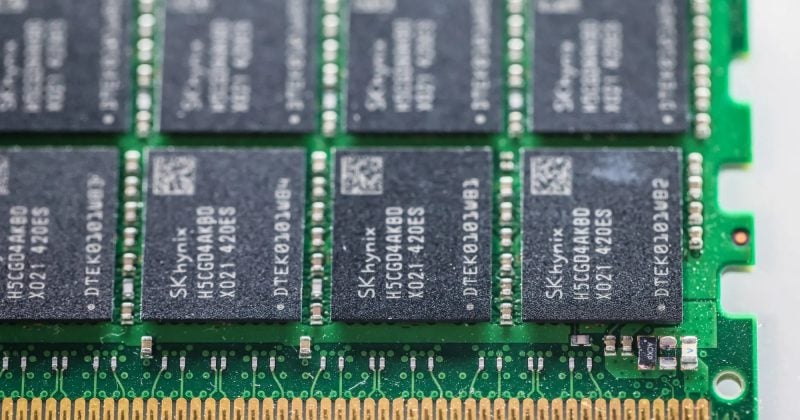
SK Hynix CEO Kwak Noh-ju is warning of a worst-ever memory chip shortage set to hit in 2027, potentially lasting through 2030.
The impending shortage, predicted by the SK Hynix CEO, stems from a mismatch between rapidly increasing AI demand and the industry’s ability to keep up with production. AI systems require massive amounts of memory, known as volatile random-access memory (RAM), to perform complex tasks. This surge in demand is largely driven by the AI boom, which is transforming industries from finance to healthcare, and pushing up memory chip consumption.
Given the pivotal role memory chips play in modern technology, any shortage will have far-reaching implications. The crypto market, for instance, will be severely impacted, as the high-performance computing required for cryptocurrency mining is heavily reliant on memory chips. As a result, the shortage could see crypto mining costs skyrocket, potentially even prompting regulatory scrutiny.
Add to this the fact that the global graphics processing unit (GPU) market is already facing challenges, and the effects of the memory chip shortage could be disastrous. The shortage could lead to GPU price hikes, exacerbate waiting lists for new GPU releases, and restrict AI adoption in industries where computational power is critical.
A Shortage with Far-Reaching Consequences
The predicted shortage has the potential to drive up costs across the tech sector, affecting not just the consumer but also businesses reliant on advanced technology, such as data centers and cloud computing services.
SK Hynix, as one of the world’s leading memory chip manufacturers, is uniquely positioned to weather this storm. However, its warning serves as a stark reminder of the pressing need for innovation in the field. Researchers and manufacturers alike must now work together to improve memory chip production, ensuring the AI boom doesn’t stall due to shortages.
A Need for Innovation
What this means is that AI and tech costs are likely to increase in the short term, and businesses should prepare for potential price hikes and supply chain disruptions. As the memory chip shortage takes hold, it will be crucial for industries to explore alternative solutions, such as more efficient memory chip designs and better production methods.