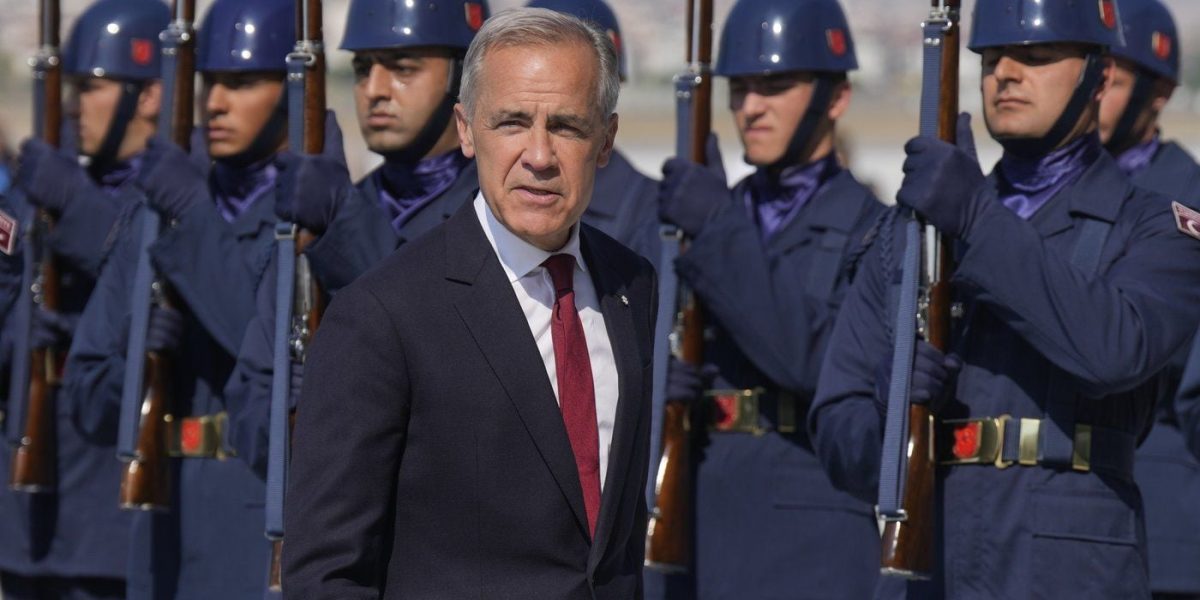
Mark Carney, Canada’s Prime Minister, has landed in Saudi Arabia amid a push for economic partnerships with a nation plagued by a devastating human rights crisis.
Saudi Arabia’s Human Rights Record under Scrutiny
The Saudi government has faced international condemnation for its treatment of minority groups, journalists, and activists. Carney’s visit has sparked concerns that Canada’s trade ambitions may be undermining the country’s commitment to human rights. Amnesty International has accused the Saudi authorities of committing “serious human rights abuses” and called for an end to the country’s “repressive” policies.
The visit comes as human rights abuses continue to mount in Saudi Arabia, including the execution of activists, the persecution of minority groups, and the targeting of dissidents. Human rights organizations have criticized Canada for its willingness to overlook these abuses in pursuit of economic interests.
Canada’s Economic Interests in Saudi Arabia
Carney’s trip is part of a broader effort to strengthen Canada’s economic ties with Saudi Arabia. The two countries have significant trade relationships, with Canada exporting billions of dollars’ worth of goods to Saudi Arabia each year. In return, Saudi Arabia has committed to investing millions of dollars in Canadian infrastructure projects, including a major oil sands development.
The deal is seen as a key component of Canada’s broader strategy to strengthen its trade relationships with emerging markets. However, the agreement has also drawn criticism from human rights activists, who argue that it will only embolden the Saudi government to continue its human rights abuses.
What this means
The visit marks a significant turning point for Canada’s relationships with Saudi Arabia, with the country’s economic interests potentially taking precedence over its commitment to human rights. For Carney, the trip represents a delicate balancing act between economic interests and moral principles. The outcome will have significant implications for Canada’s reputation on the global stage and its relationships with other countries in the region.
The visit also raises questions about the role of economic interests in shaping Canada’s foreign policy. Will the government continue to prioritize trade relationships over human rights concerns, or will it find a way to balance its economic interests with its commitment to moral principles?
As Carney navigates the complexities of Saudi Arabia’s human rights crisis, one thing is clear: the stakes are high, and the outcome will have far-reaching implications for Canada’s future on the world stage.