Uber and Lyft’s CEO’s claim that flexibility boosts driver satisfaction is a thinly veiled attempt to obscure the truth: it’s a ploy to keep drivers on a short leash and save the companies money.
Flexibility, a Misnomer
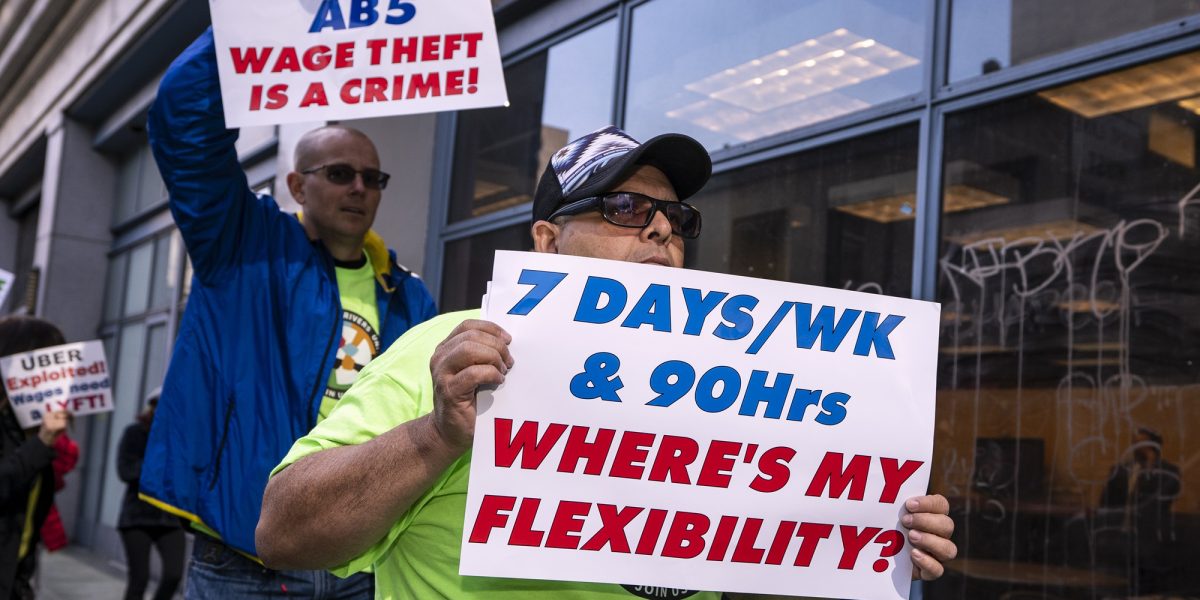
The gig economy’s promise of flexibility has become a double-edged sword. On one hand, workers are free to choose when and how much they work, but in reality, this freedom comes with a steep price. By classifying drivers as independent contractors, companies like Uber and Lyft have created a gray area where workers are forced to accept low pay and poor working conditions.
Drivers are often left with little choice but to work when and where the app dictates. This lack of control is compounded by the fact that most drivers rely on the platform for their primary source of income. As a result, drivers are essentially forced to maintain a 24/7 availability, sacrificing their personal time and autonomy in the process.
Flexibility as a Cost-Saving Tactic
The real benefit of flexibility for companies like Uber and Lyft lies in its ability to maximize profits. By creating a pool of available drivers, the companies can adjust their supply to meet demand, minimizing the costs associated with employee benefits, training, and job security. This model allows them to maintain a lean operation, passing the savings onto shareholders rather than using it to improve working conditions or pay for their drivers.
What this means is that drivers won’t see a bump in pay or benefits as a result of the flexibility they’re promised. Instead, they’ll continue to bear the brunt of the gig economy’s harsh realities, all while their employers reap the benefits of a system that prioritizes profits over people.
A New Approach is Needed
The myth of flexibility in the gig economy is a stark reminder that workers need stronger protections and better rights. As policymakers and activists work to address the challenges faced by gig workers, it’s essential to recognize the true nature of this so-called flexibility. By doing so, we can begin to build a more equitable system that prioritizes the needs and well-being of workers over corporate profits.
The gig economy’s flexibility may be a myth, but the impact it has on workers’ lives is all too real. It’s time for a change.