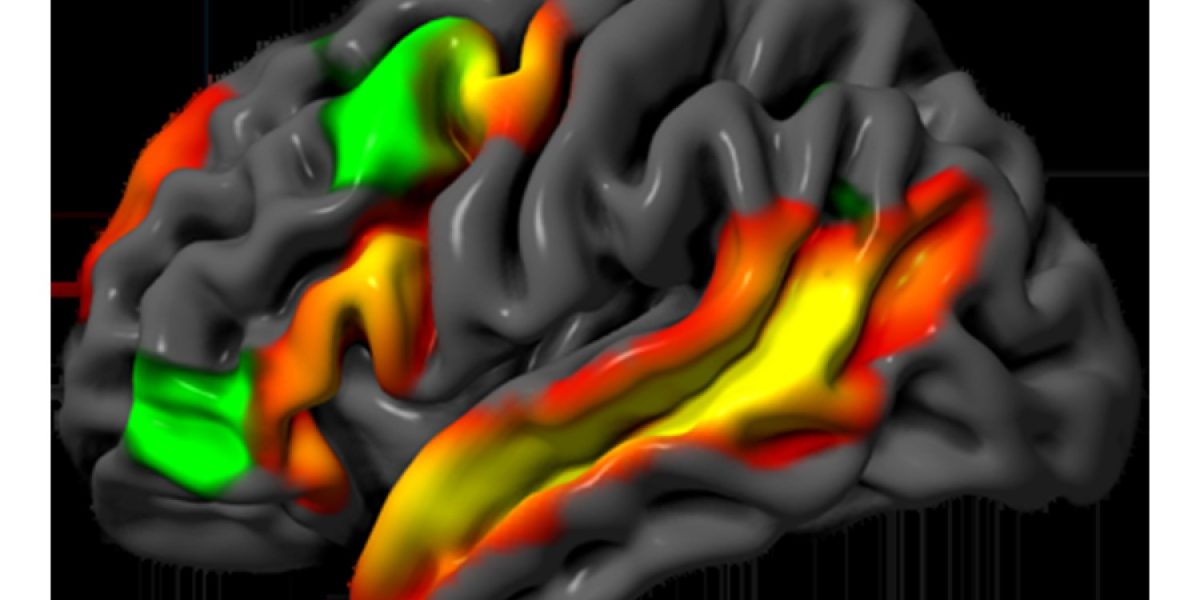
MIT neuroscientists have identified a surprising fact about human cognition: language isn’t essential for logical reasoning. A team from the McGovern Institute for Brain Research, led by Evelina Fedorenko and Hope Kean, recently made this groundbreaking discovery.
What We Thought vs. What’s Real
We’ve always assumed that language plays a central role in our ability to reason logically. After all, we often talk through our problems, debating different solutions and weighing the pros and cons. But the MIT study reveals a more nuanced picture: people can perform well on tasks that require logical reasoning even if their language abilities are severely impaired.
For example, individuals with severe aphasia – a condition that severely limits a person’s ability to communicate through language – can still exhibit excellent logical reasoning skills. In one experiment, participants with aphasia were asked to solve math problems and complete logical puzzles, and their performance was comparable to that of healthy individuals.
The Two Sides of Reasoning
According to Fedorenko and Kean, the results suggest that there are two distinct pathways in the brain for reasoning: a language-based pathway and a non-linguistic pathway. The former is responsible for tasks that require verbal communication, such as explaining a solution or justifying a decision. The latter, on the other hand, is involved in more abstract reasoning, like solving math problems or identifying patterns.
This finding has important implications for our understanding of cognition and could potentially lead to new treatments for language-related disorders. By separating logic and language, researchers may be able to develop more targeted interventions that address specific cognitive deficits, rather than relying on general language therapy.
Implications for AI Development
The MIT study also has implications for artificial intelligence research. Currently, AI systems rely heavily on language processing to reason and solve problems. However, if humans can perform logical reasoning without language, it’s possible that AI systems can be designed to do the same. This could lead to more efficient and effective AI systems that don’t require language input or processing.
**What this means:** This study shows that language is not the sole driver of logical reasoning. This insight can inform AI development, allowing researchers to create more flexible and language-independent AI systems that can perform a wider range of tasks.