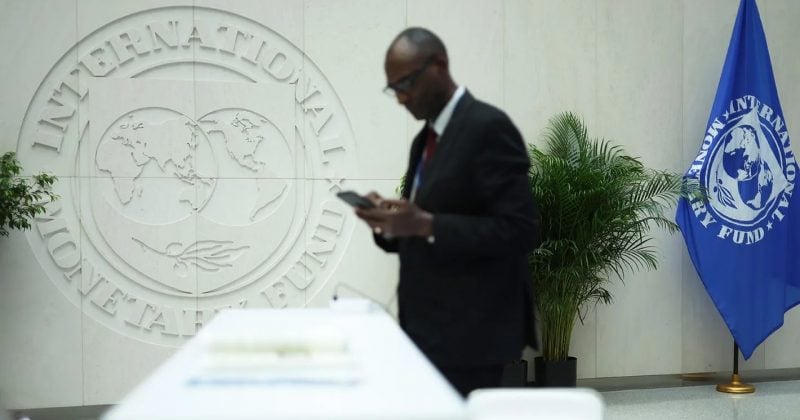
The IMF’s latest forecast is a stark reminder of the global economy’s fragility: growth is expected to dwindle to 3% in 2026 due to ongoing tensions, including the conflict with Iran. However, there’s a silver lining: the US AI investment boom is cushioning the global economy from the worst of it.
The AI Safety Net
Artificial intelligence spending has long been touted as a potential driver of economic growth, but its impact on global stability is just beginning to reveal itself. According to the IMF, AI investments in the US have effectively acted as a safety net, stabilizing economies that might have otherwise suffered more severe disruptions.
The IMF’s World Economic Outlook report highlights the unexpected role of AI in mitigating the effects of geopolitical tensions. By injecting much-needed cash into the economy and driving innovation, US AI investments have helped maintain a semblance of stability in a world beset by conflict and uncertainty.
The US AI Investment Boom
The US has been at the forefront of the AI investment boom, with companies like Microsoft and Google pouring billions into AI research and development. This influx of capital has not only fueled innovation but also created jobs and stimulated economic growth.
Experts point to the significant investments in areas like natural language processing, computer vision, and machine learning as key contributors to the economy’s resilience. As AI technology continues to advance, its potential to boost economic growth and stability will only increase.
What this means
The IMF’s report sends a clear message: AI investments are no longer just a nicety, but a necessity for economic stability. As tensions continue to rise and the global economy faces new challenges, the role of AI in cushioning the impact will only become more crucial.
For investors and policymakers alike, the takeaway is clear: AI investments should be prioritized as a key driver of economic growth and stability. By doing so, we can create a safer, more resilient economic future for all.