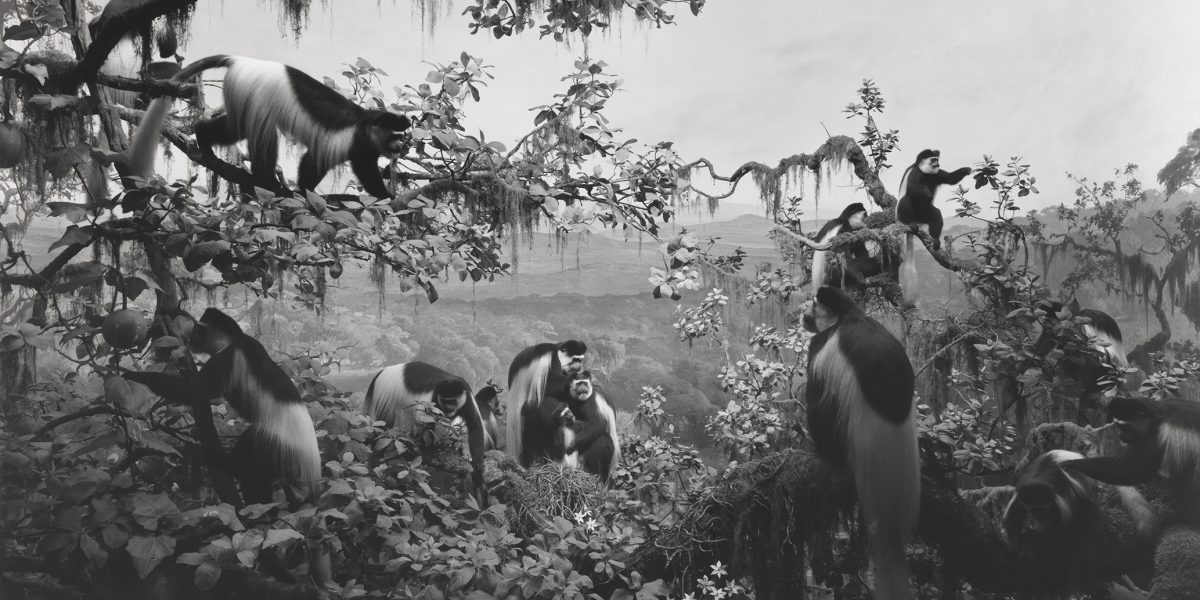
Hiroshi Sugimoto, a leading Japanese photographer, has unveiled a new series that explores the intersection of photography and extinction. Titled Extinction, the project features Sugimoto’s characteristic large-format camera work, yet it’s not the technology that’s noteworthy – it’s the subject matter. Sugimoto’s photographs document the demise of various species, from the majestic rhinoceros to the humble dodo.
A World of Digital Artifice
With the advent of digital and smartphone technology, the essence of photography has plunged into a wholly artificial realm, questioning the very nature of realism. Sugimoto’s work, on the other hand, remains rooted in traditional techniques, where every shot is meticulously planned and executed. This dichotomy raises important questions about the role of photography in our post-digital landscape.
Sugimoto’s large-format camera allows him to capture the subtleties of light and texture, which are lost in digital snapshooting. His photographs are not snapshots; they’re deliberate, considered, and often hauntingly beautiful. By contrast, digital photography has created a world where anyone can become a photographer, but the resulting images often lack the nuance and craftsmanship of Sugimoto’s work.
A Warning from the Wild
Sugimoto’s Extinction series serves as a poignant reminder of the fragility of life on Earth. The images depict species that are on the brink of extinction, and in some cases, already gone. The dodo, for instance, is one of the most recognizable extinct birds, and Sugimoto’s photograph of a taxidermied specimen is both a tribute to the past and a warning for the future.
What this means is that photography, in its purest form, can still evoke a sense of wonder and awe, even in the face of extinction. Sugimoto’s work challenges us to reevaluate our relationship with the natural world and encourages us to appreciate the beauty in even the most fleeting moments. As we continue to live in a world dominated by digital technologies, Sugimoto’s photographs serve as a powerful counterpoint, reminding us of the value of slow, deliberate, and traditional forms of expression.