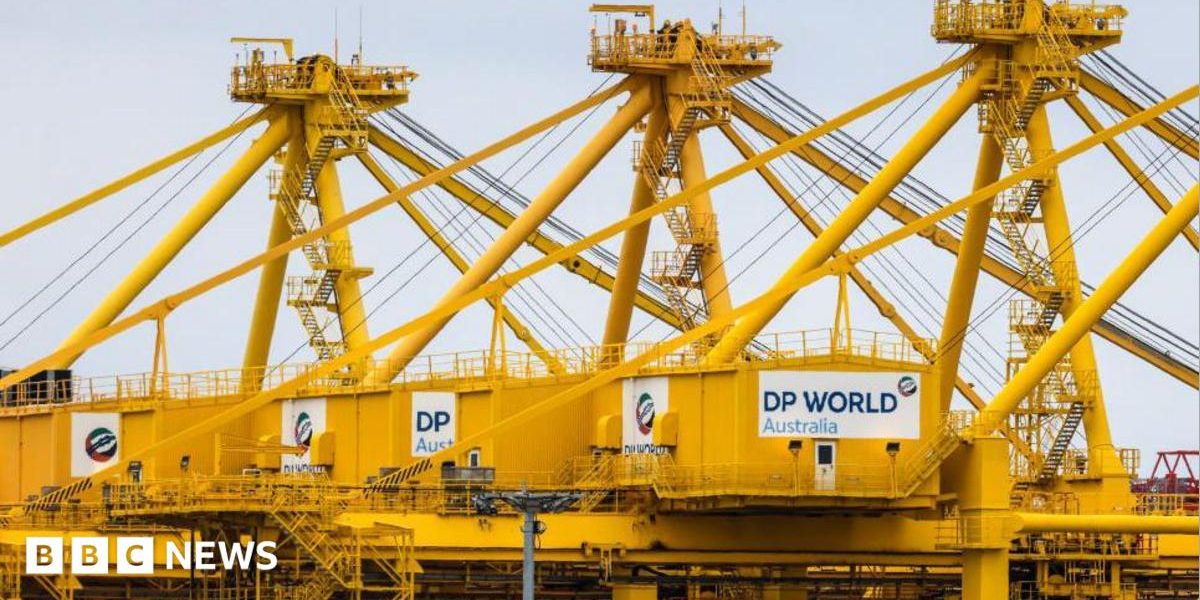
Australian dock workers are fighting to protect their jobs amidst a push for artificial intelligence (AI) and automation at the country’s ports.
Talks Break Down Over AI-Driven Work Load
A union representing dock workers has called for a 28-hour work week with no loss of pay as the use of AI and automation expands across Australia’s ports. The demand was made during talks with the Maritime Union of Australia (MUA) and port operators.
The MUA claims AI is being tested across ports, putting workers in the crosshairs of automation. They’re asking for a guarantee that jobs will be preserved and that workers won’t see any pay cuts as a result of increased efficiency.
“We’re not against technology, but we need to make sure that any benefits from increased efficiency are shared fairly with the workers who are being replaced by machines,” MUA spokesperson, Will Trace, said.
Rise of Automation
Automation and AI are increasingly being used to streamline operations and boost efficiency across the globe. The technology has led to significant cost savings and productivity boosts in various industries.
However, the rise of AI has also sparked concerns about job losses and the widening of the wealth gap. Critics argue that the benefits of automation are often enjoyed by corporate shareholders and executives, while workers are left to bear the brunt of changes to their working conditions.
Australian dock workers are not alone in their concerns about AI and automation. Workers across various industries are demanding better protections and fair compensation as the use of AI expands.
What This Means
The outcome of the talks between the MUA and port operators will be closely watched by workers and labor unions around the world. A successful negotiation could set a precedent for the way AI and automation are implemented across industries.
If Australian dock workers are able to secure a 28-hour work week with no loss of pay, it could provide a model for other industries looking to mitigate the impact of AI on workers’ lives. The move would demonstrate that workers can be protected and empowered in the face of technological change.
However, if the talks fail, it could exacerbate tensions between workers and employers and lead to further job losses and industrial action.