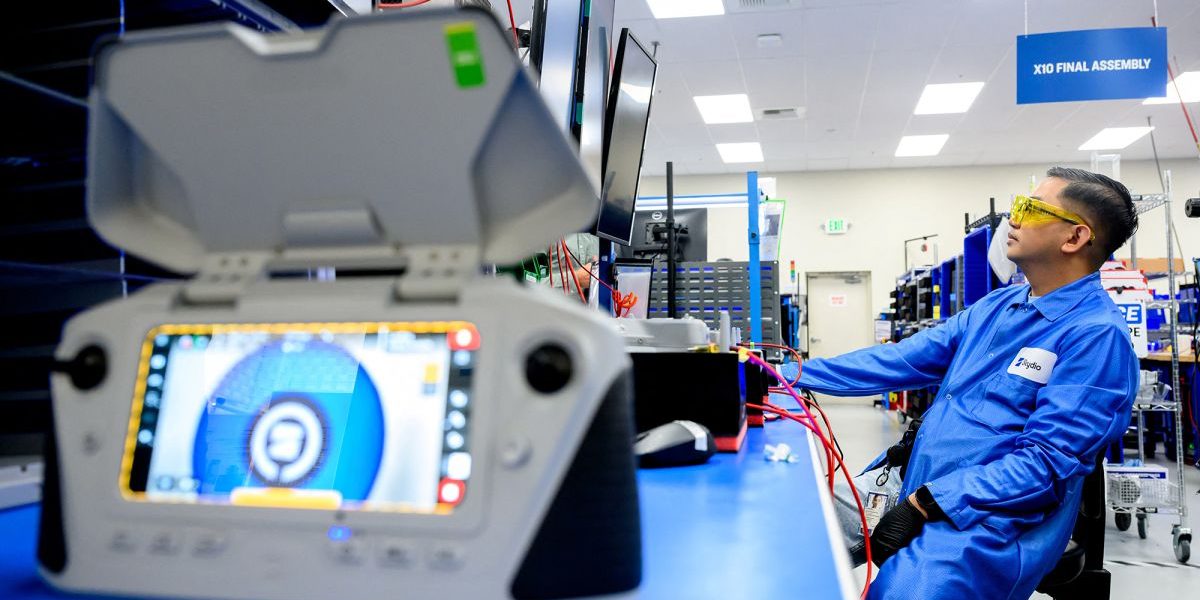
U.S. Industrial Market Bounces Back in 2026, Driven by Manufacturing Revival
The U.S. industrial sector has finally found its footing after a tumultuous few years, with a 1% increase in national asking rents and a notable uptick in leasing activity in the first half of 2026. This renewed vigor is largely attributed to a surge in manufacturing investment and a significant shift towards big-box leasing.
Big-box warehouses, those massive, sprawling facilities that have become a staple of modern logistics, are driving the leasing market forward. According to recent data, these behemoths are now accounting for a larger share of new leases, with some of the biggest players in the industry, including Prologis and Liberty Property Trust, signing massive deals in key markets.
Manufacturing Investment Revitalizes Demand
A new wave of manufacturing investment is reshaping the U.S. industrial landscape. As companies like General Motors and Amazon expand their operations, they’re creating a spike in demand for industrial space. This, in turn, is fueling a surge in construction activity, with developers scrambling to keep up with the growing need for modern, high-tech facilities.
While development is still below pandemic-era highs, it’s clear that the industry has reached a new equilibrium. The emphasis is now on quality over quantity, with developers prioritizing sustainable, adaptable spaces that meet the evolving needs of modern businesses. As a result, rents are increasing, and the market is becoming increasingly competitive.
What This Means for You
The U.S. industrial market’s resurgence has significant implications for businesses and consumers alike. With a strengthening demand for industrial space, companies looking to expand or relocate will find themselves with more options and competitive pricing. Furthermore, as manufacturers and logistics providers continue to invest in the sector, we can expect to see improved supply chains, reduced transportation times, and a more efficient economy overall.