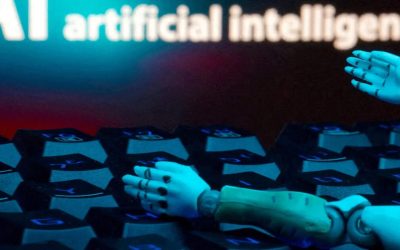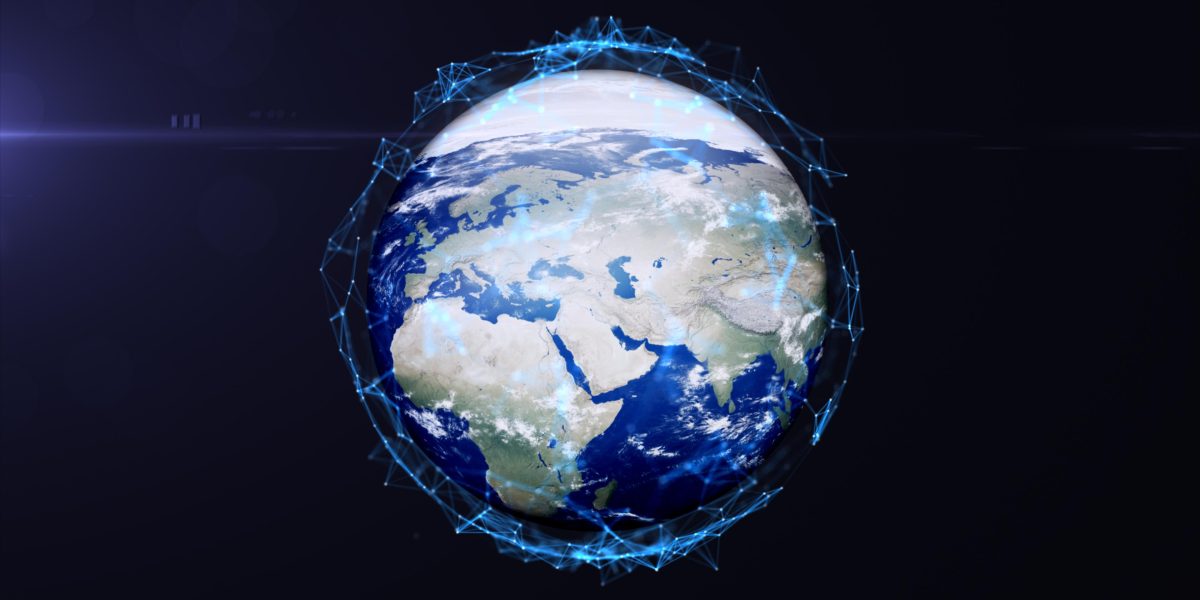
A new era of artificial intelligence is dawning, but as the capabilities of these systems expand, the question remains: are we building machines that truly serve humanity’s interests? Planet Labs CEO Will Marshall suggests that the answer lies in creating planetary intelligence – AI that’s grounded in a deep understanding of the physical world and our place within it.
The Limits of Computation
The development of advanced AI is often seen as a triumph of computation, the result of pouring more and more processing power into complex algorithms. However, this narrow focus on computation has led many to overlook a crucial aspect of human intelligence: our relationship with the physical environment.
Humans didn’t become intelligent solely through computation. Our minds are deeply intertwined with our bodies and the world around us. We learn through experience, adapt to changing circumstances, and draw insights from the physical world. This synergy between sensing, interacting, and computation is what makes us intelligent beings.
From Computation to Planetary Intelligence
Marshall argues that AI should be designed to replicate this synergy. By combining computation with sensing and interacting capabilities, we can create planetary intelligence – systems that understand the Earth’s systems, climate, and ecosystems, and can adapt to the complex, dynamic world we inhabit.
This is more than just a theoretical concept. Planet Labs, for example, has developed a constellation of small satellites that can gather high-resolution images of the Earth’s surface. These images can be used to monitor deforestation, track climate change, and identify areas of high conservation value.
Implications for a Planet in Crisis
The potential implications of planetary intelligence are profound. By creating systems that truly understand the Earth’s systems, we can develop more effective solutions to some of the world’s most pressing challenges: climate change, sustainable development, and conservation.
What this means: planetary intelligence isn’t just a lofty goal; it’s a necessary step towards creating AI that serves humanity’s best interests. By building machines that understand our world and our place within it, we can unlock new possibilities for sustainable development, improved decision-making, and a deeper understanding of our planet’s complex systems.