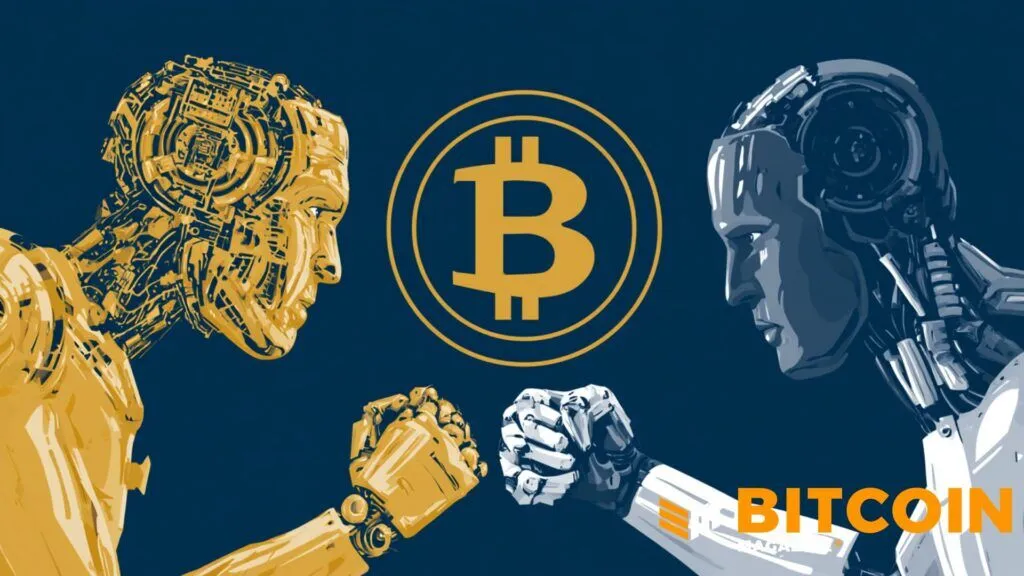
Ben Lilly, a researcher at Brownstone Research, is drawing a striking comparison between the early days of Bitcoin and the current landscape of open-source AI.
Regulatory Scrutiny
The cryptocurrency space was once characterized by a wild west attitude, with Bitcoin operating largely unregulated. However, as the market’s value skyrocketed, governments worldwide began to take notice, and regulatory efforts ensued. Lilly suggests that a similar scenario is unfolding in the AI space, with governments and corporations vying for control over open-source AI models.
The open-source AI movement is built around the idea of sharing software and research freely, allowing developers to collaborate and improve upon each other’s work. While this collaborative approach has led to significant advancements in AI, it’s also sparked concerns about intellectual property, security, and accountability.
A “Bitcoin in 2014” Opportunity
Lilly believes that decentralized AI projects, which operate outside the traditional corporate or government frameworks, could offer investors a unique opportunity for growth. He likens this scenario to buying Bitcoin in 2014, when the cryptocurrency was still in its early stages and largely unregulated. At the time, investors who got in early saw enormous gains as Bitcoin’s value skyrocketed.
Decentralized AI projects, Lilly argues, could provide a similar chance for investors to get in on the ground floor of a potentially revolutionary technology. By operating outside the traditional regulatory frameworks, these projects may be able to innovate and adapt more quickly, but they also come with a higher degree of risk.
What This Means
If Lilly’s comparison holds true, investors who get in on decentralized AI projects early could be in for a significant payday. However, this also means that governments and corporations will likely continue to exert pressure on these projects, potentially limiting their growth and accessibility.
For individual investors, this means being prepared for a potentially volatile market and a higher level of risk. But for those willing to take the leap, decentralized AI projects could offer a unique opportunity to shape the future of AI and potentially reap substantial rewards.