**Wall Street’s AI Enthusiasts May Be in for a Shock**
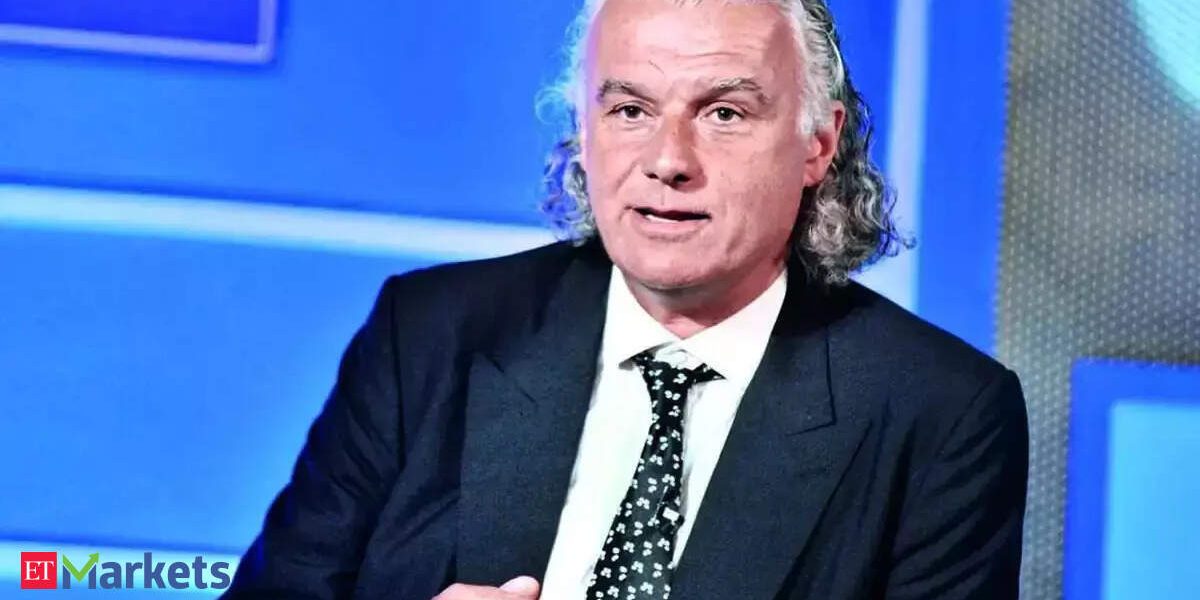
Jefferies’ top strategist Chris Wood isn’t buying the hype surrounding AI investments, warning that Microsoft, Meta, and Alphabet’s aggressive spending could backfire in a big way. He’s predicting a market correction that could wipe out billions in value.
The AI craze has seen major tech players like Microsoft, Meta, and Alphabet splashing out huge sums on research and development, acquisitions, and talent recruitment. Wood’s team estimates these companies have committed over $50 billion to AI initiatives so far. However, the strategist believes this excessive spending is setting the stage for a painful reckoning.
Geopolitics and Debt: The Double Whammy
Wood’s concerns go beyond just the financials. He’s also warning about the growing risks of geopolitical tension and the increasing reliance on debt-funding for these investments. With rising interest rates and global economic uncertainty, the strategist thinks investors may soon start to question the wisdom of pouring so much money into AI projects.
The biggest worry is that these investments will fail to deliver the promised returns, leading to massive capital destruction. Wood’s team estimates that if just a quarter of the committed funds don’t pan out, it could result in losses of over $12 billion. That’s a sizeable hit for any company, let alone three tech giants.
What This Means for Investors
So what does this mean for investors? In short, it’s time to be cautious. Wood’s warning should serve as a reminder that even the most promising technologies can have a dark side. As the AI bubble continues to inflate, investors would do well to remember that past successes don’t guarantee future performance.
If you’re considering diving into the AI space, it’s essential to do your homework and assess the risks and rewards. Be prepared for the possibility that these investments may not live up to the hype. With the market already showing signs of fatigue, it’s better to be safe than sorry.