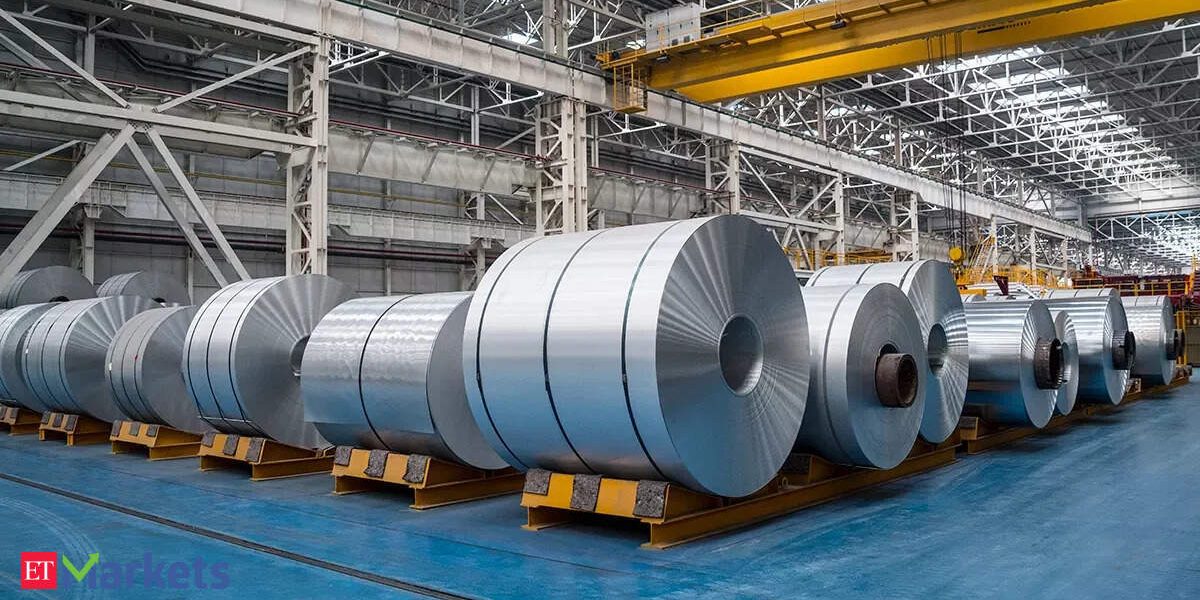
The prices of copper have skyrocketed in 2026 to an all-time high, leaving manufacturers scrambling for alternatives. And that’s exactly what’s happening – aluminium is slowly but surely taking over from copper in various industries, thanks to its lower costs and lighter weight.
The automotive sector is a prime example. With supply chain disruptions and energy transition demands on one hand, and soaring copper prices on the other, automakers are increasingly opting for aluminium as their preferred material. It’s not just about cost savings; aluminium is a significant 30% lighter than copper, meaning reduced fuel consumption and emissions for vehicles. Companies like **Ford** and **Tesla**, which have led the charge towards electric vehicles, are now exploring ways to integrate aluminium in their designs to improve efficiency.
Why the shift to aluminium?
One major reason is the cost difference. The current copper price surge has made aluminium a far more affordable option for manufacturers. The lower price point means that companies can cut costs without compromising on performance. Additionally, aluminium has a higher strength-to-weight ratio than copper, making it an attractive choice for applications where weight is a concern.
The implications of this shift
The industry-wide shift towards aluminium has significant implications, not just for manufacturers but also for consumers. As aluminium production increases, we can expect to see more eco-friendly products and vehicles on the market. With its lower energy requirements and reduced CO2 emissions, aluminium is an important step towards a more sustainable future. What this means for you: expect to see more aluminium in your next car, smartphone, or even household appliances.
Of course, the move away from copper also raises concerns about resource availability and recycling. As companies transition to aluminium, they’ll need to ensure that the metal is sourced responsibly and recycled effectively. The industry’s response to these challenges will be crucial in determining the long-term success of the aluminium revolution.