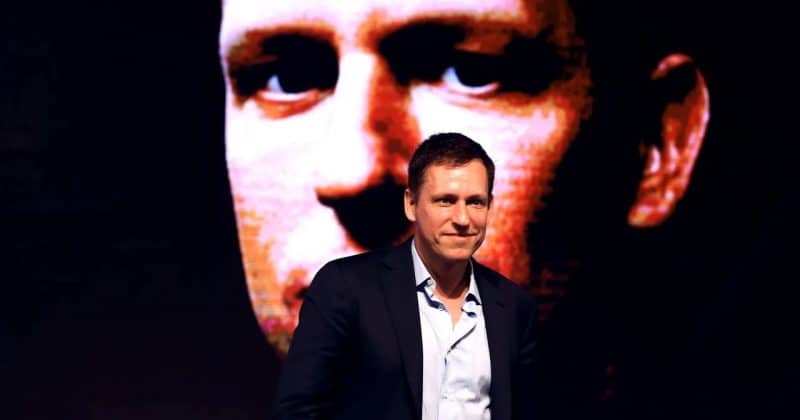
Peter Thiel, co-founder of PayPal and a prominent figure in the tech world, sparked controversy at the Aspen Ideas Festival by calling Pope Leo XIV a “Chinese communist agent” in the context of discussions surrounding AI regulation.
Thiel’s Comments: A Misdirection or a Reflection of Concerns?
During the festival, Thiel emphasized the importance of the United States maintaining its competitive edge in the global tech landscape. He argued that any form of regulatory restraint on artificial intelligence (AI) could provide China with a significant advantage, potentially altering the balance of global power.
Thiel’s comments were unexpected, as he associated Pope Leo XIV, who passed away in 1958, with the Chinese communist regime. However, this seems to be a misdirection – it’s unlikely that Thiel genuinely believes the Pope, who reigned during the Cold War, was a communist agent. Instead, Thiel might be using this statement to emphasize his concerns about regulatory pressures on AI.
The Tension Between Regulation and Competitiveness
Thiel’s warning highlights the ongoing debate surrounding AI regulation. On one hand, there are concerns about the ethics and potential risks associated with AI. On the other hand, proponents of less stringent regulations argue that excessive oversight could hinder innovation and give competitors like China an upper hand.
The global tech landscape is constantly shifting, and countries are competing for dominance in AI research and development. The United States has been a leader in this field, but China has been aggressively investing in AI research and development, aiming to catch up and potentially surpass the US.
What This Means
Thiel’s comments at the Aspen Ideas Festival underscore the need for careful consideration of AI regulation. Policymakers must weigh the risks and benefits associated with AI and find a balance that promotes innovation while addressing concerns about ethics and safety. The US government will likely continue to face pressure from various stakeholders, including Thiel and other tech industry leaders, as they navigate the complexities of AI regulation.