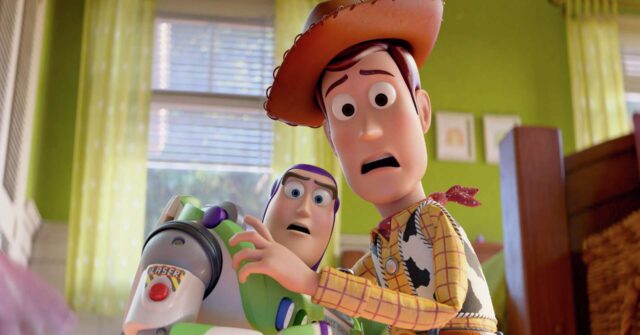
Film Animators Abandon Traditional Techniques for AI-Powered Alternatives
Movie studios are embracing artificial intelligence in a big way, with animators now using AI tools to cut production costs by a staggering 90 percent. The report, published by Bloomberg, highlights the industry’s shift towards AI-powered alternatives to traditional animation techniques.
AI Tools Take Over Time-Consuming Tasks
Traditionally, animators spent most of their time creating individual frames for each scene, a process that can take months or even years for a single movie. AI tools, however, can automate this task, allowing animators to focus on more creative aspects of their work.
According to the report, major film studios like Walt Disney Animation Studios and Pixar Animation Studios are already using AI-powered tools to streamline their production processes. These tools use machine learning algorithms to analyze animation patterns and generate new frames, reducing the need for manual labor.
What this means
For film animators, this means more time to focus on storytelling and character development, rather than getting bogged down in tedious, time-consuming tasks. It also means that movie studios can produce higher-quality animations at a lower cost, making the filmmaking process more efficient and cost-effective.
However, this shift towards AI-powered animation also raises questions about the future of traditional animation techniques and the role of human animators in the industry. As AI tools become more advanced and widely adopted, it remains to be seen how human animators will adapt to this new reality.
Industry Leaders Weigh In
Industry leaders, like Jon Carlson, Visual Effects Supervisor at Disney, are optimistic about the potential of AI-powered animation. “AI tools have allowed us to create more complex and realistic animations in a fraction of the time,” Carlson said.
However, not everyone is sold on the idea of relying on AI tools for animation. “While AI can help with repetitive tasks, it can’t replace the creativity and nuance that a human animator brings to the table,” said John Lasseter, former Chief Creative Officer at Pixar.