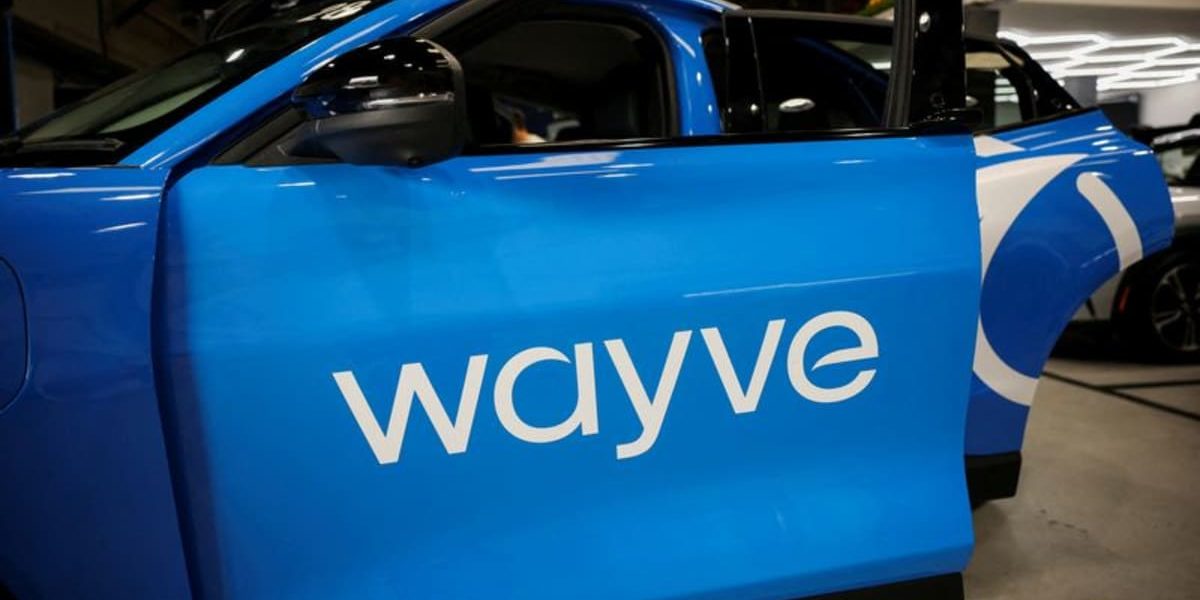

Wayve, a London-based startup, has raised $2.8 billion from investors and strategic partners, including high-profile names from the tech and automotive sectors.
Wayve’s AI driving system, called Alpha, learns from experience, adapting to new situations and environments in a way that’s eerily similar to human drivers – a key advantage over traditional autonomous driving systems.
The Wayve Advantage
Wayve’s Alpha system isn’t just a one-trick pony; it can tackle complex scenarios like construction zones, pedestrians stepping onto the road, and even navigating through heavy traffic. This is made possible by the system’s ability to process and learn from a massive amount of data, including sensor inputs, maps, and real-world observations.
Alpha’s human-like learning capabilities are achieved through a combination of machine learning algorithms and computer vision techniques, which allow it to detect and respond to changing road conditions and unexpected events. This level of flexibility is a significant departure from traditional autonomous driving systems, which often rely on pre-programmed rules and algorithms to govern behavior.
Partnerships and Implications
Wayve’s funding boost has drawn the attention of major automakers, including those from Japan, the US, and Europe. These partnerships will likely lead to the integration of Wayve’s Alpha system into production vehicles, potentially paving the way for widespread adoption of autonomous driving technology.
What this means for consumers is a future with more intelligent, adaptive, and – importantly – safer vehicles. With Wayve’s AI driving system at the wheel, drivers can look forward to a reduction in accidents caused by human error, as well as improved traffic flow and reduced stress behind the wheel.
What’s Next for Wayve?
As Wayve embarks on this new chapter, the company is poised to become a major player in the autonomous driving space. With its innovative AI driving system and significant backing from key industry players, the possibilities for Wayve are endless – and we’re eager to see where this journey takes them.