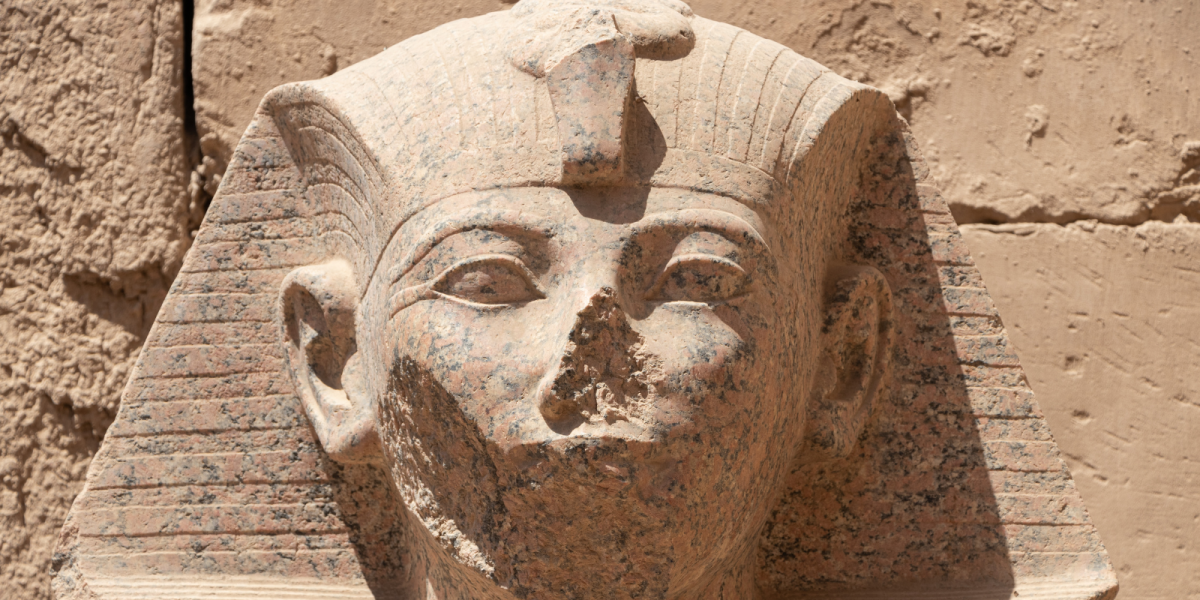
A joint British-Egyptian archaeological team has announced the discovery of the last missing royal tomb of Ancient Egypt’s Eighteenth Dynasty, belonging to Pharaoh **Thutmose II**, who ruled approximately 3,500 years ago. The tomb, uncovered in February 2025, is the first discovery of a pharaonic tomb near the Valley of the Kings since **Howard Carter** found King **Tutankhamun’s** tomb in November 1922.
The Eighteenth Dynasty, which ruled Egypt between approximately 1550 and 1292 BCE, was a period of unparalleled prosperity and cultural influence. This dynasty produced some of the most iconic pharaohs, including **Thutmose III**, who expanded Egypt’s empire, and **Akhenaten**, known for his radical monotheistic reforms. The Valley of the Kings, where Thutmose II’s tomb was discovered, is a vast necropolis of elaborate tombs built for the pharaohs of this dynasty.
The discovery of Thutmose II’s tomb is significant not only because of its historical importance but also because of the insights it may provide into the daily life and rituals of the ancient Egyptians. The tomb, which is still being excavated, is believed to contain artifacts and treasures that will offer a unique glimpse into the culture and society of this enigmatic era. What this means is that archaeologists may now gain a deeper understanding of the practices and traditions that defined Ancient Egypt’s Eighteenth Dynasty, shedding new light on one of the most fascinating periods in human history.
Further excavation and analysis of the tomb are necessary to confirm the findings and uncover the secrets hidden within its walls. The discovery of Thutmose II’s tomb is a testament to the continued importance of archaeological research in uncovering the mysteries of our shared past.